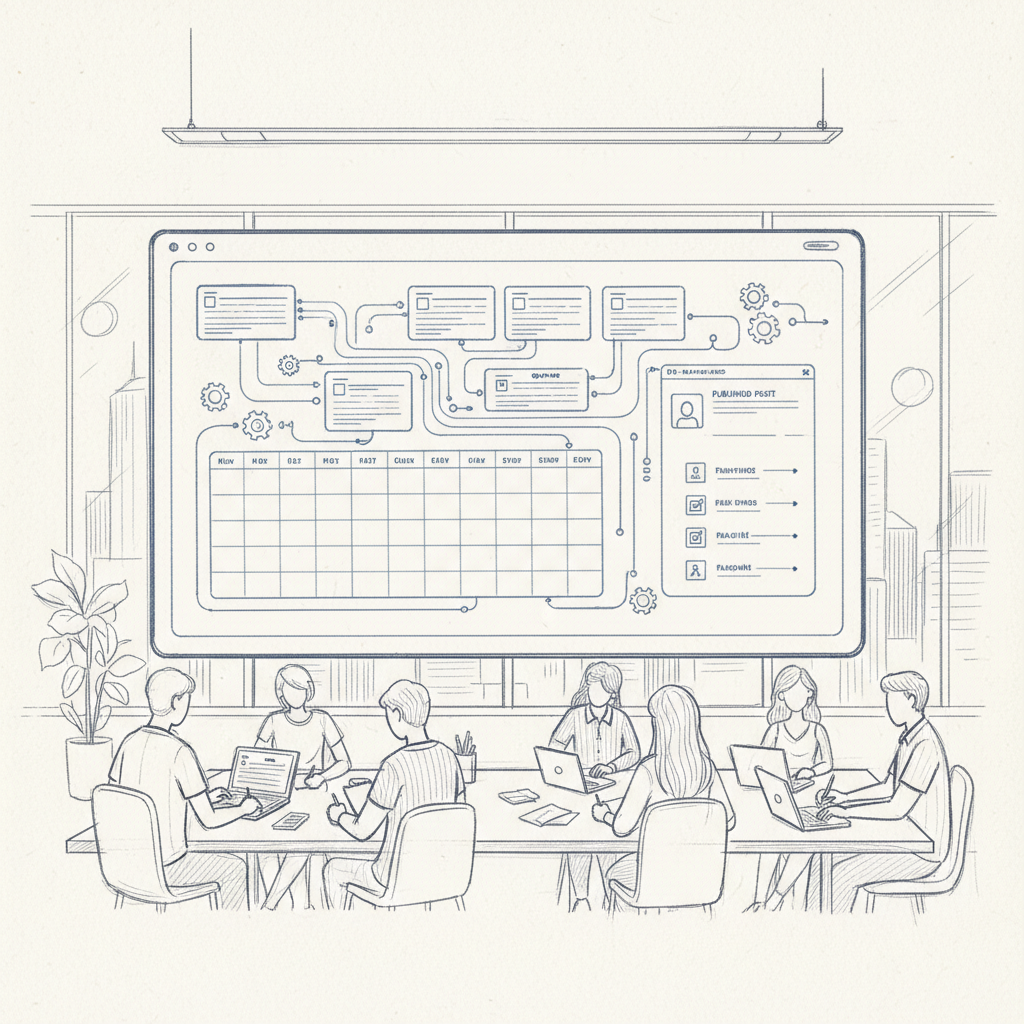
How to Build a Content Calendar That Runs Itself in 2026: Automated Publishing Strategies
A self-running content calendar combines strategic planning with AI content generation and automated publishing to keep your blog consistently updated without daily manual effort. Build systems that handle scheduling, drafting, and optimizing—while you focus on strategy and brand voice refinement.
The Content Automation Challenge: Breaking Free from Manual Management
If you're tired of spending more time managing your content calendar than actually creating valuable content, you're not alone. Most marketing teams hit a ceiling where production logistics start consuming the creative energy that should fuel strategy. The good news? Content calendar automation tools are now sophisticated enough to fix this.
I've watched teams transform from publishing four stressed-out blog posts per month to running 20+ posts on autopilot—all while their content actually improved. Let me walk you through exactly how to build this system for yourself.
Why Traditional Content Calendars Fail
The Manual Workflow Bottleneck
Traditional content calendars break down for predictable reasons:
- Logistical Overhead: Content managers spend 60% of their time on administrative tasks
- Inconsistent Publishing: Irregular content schedules hurt search engine rankings
- Team Burnout: Continuous manual content production creates unsustainable workloads
The Four Pillars of a Self-Running Content Calendar
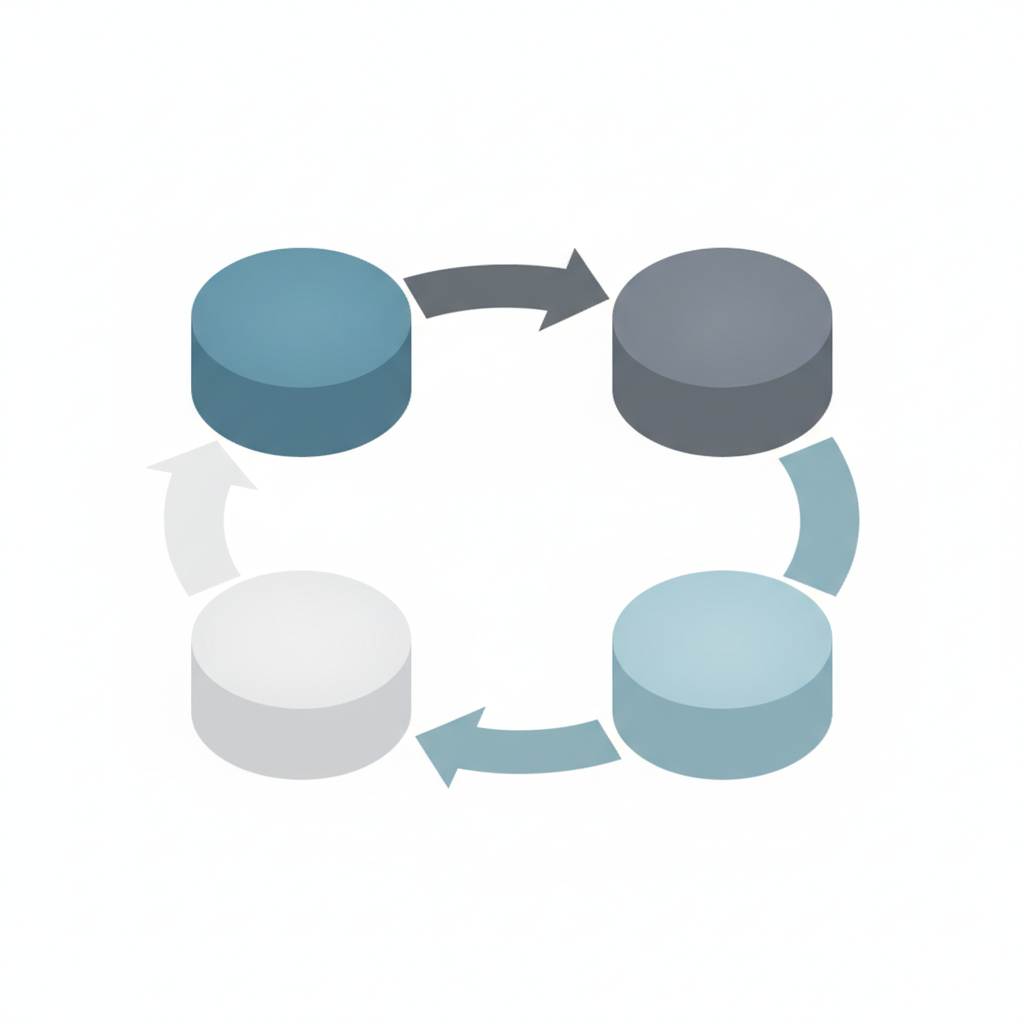
1. Strategic Content Planning: The Automation Foundation
Before automation can work, you need solid strategy:
- Map content topics to specific business goals
- Create topical content clusters
- Develop a quarterly content roadmap
2. AI-Powered Content Generation
Modern AI writing platforms can produce SEO-optimized content by:
- Embedding your existing content library
- Using reinforcement learning from your best posts
- Applying retrieval-augmented generation (RAG) to maintain accuracy
3. Automated Publishing Workflows
The technical requirements:
- Direct CMS connection that actually works
- Publishing that happens without you clicking buttons
- Content that moves from draft to live seamlessly
4. Continuous Performance Optimization
Smart feedback loops that:
- Track what performs and what doesn't
- Surface high-performing topics for more content
- Improve your strategy without constant manual analysis
Implementing Your Automated Content Calendar: Step-by-Step Guide
Step 1: Current Workflow Audit
Look at your existing content production process. Where do you spend the most time? Where do things break down? These pain points are your automation targets.
Step 2: Select the Right Automation Platform
Top platforms worth testing:
- Jasper AI: Good for brand voice customization if you have specific tone requirements
- Copy.ai: Handles full workflows, not just individual posts
- Scribe: Built specifically for blog automation with direct CMS connections
Step 3: Define Your Publishing Strategy
- Check your analytics to see when your audience is most active
- Start with 2-3 posts per week, not 20
- Scale up once the system proves reliable
Step 4: Set Up Smart Approval Workflows
You still need quality control. Balance automation with oversight:
- Create scoring systems for content quality
- Set review checkpoints for sensitive topics
- Let obviously good content publish automatically
Maintaining Brand Voice in AI-Generated Content
Training Your AI Writing Assistant
- Feed it your 10-15 best-performing posts
- Write down what makes your brand voice distinct
- Run test posts and score them against your standards
- Set guardrails for topics the AI shouldn't touch
- Review and adjust monthly, not daily
The Self-Improving Content Ecosystem
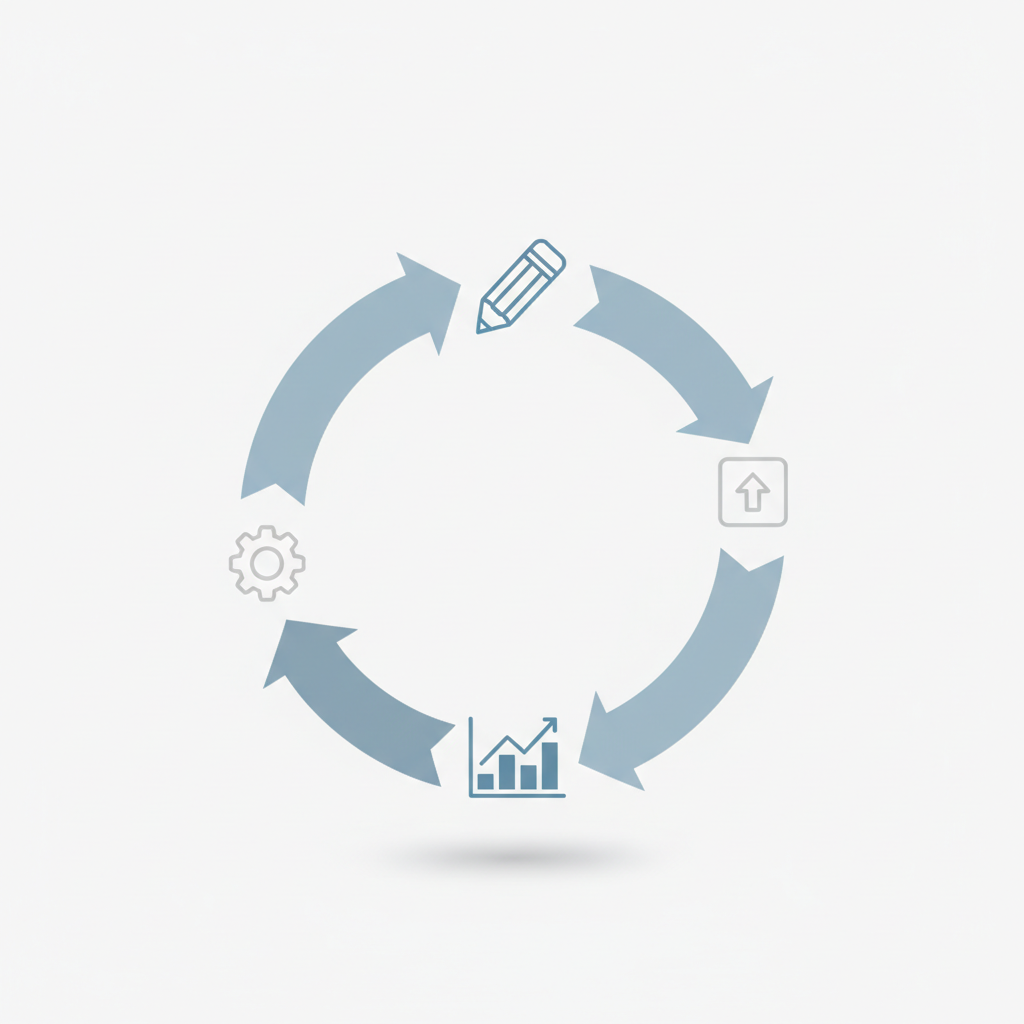
How Feedback Loops Work
Track engagement across different content types. When something performs well, create more like it. When something flops, figure out why. The system learns from both wins and losses.
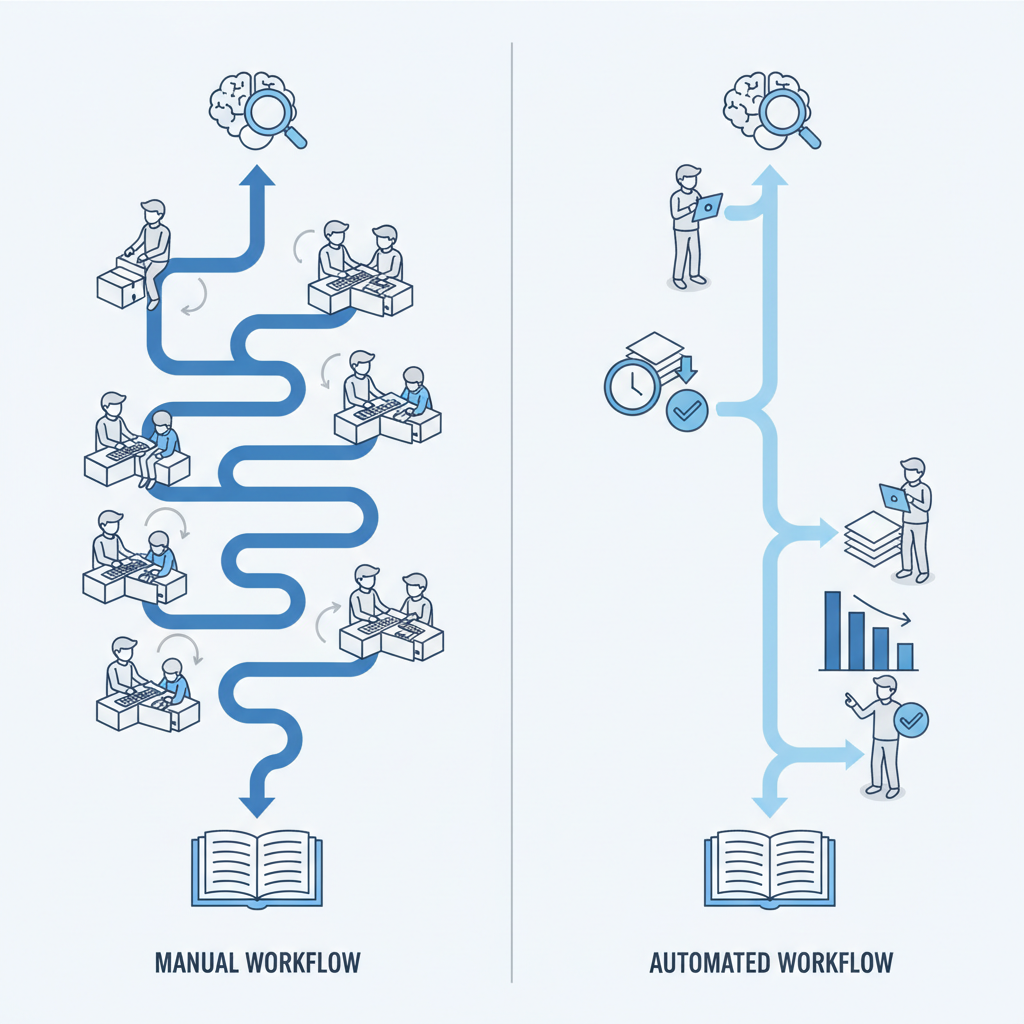
Practical Automation: Weekly Workflow Comparison
What This Actually Saves
In practice, automation can cut content production time by 85%. But more importantly, it frees up mental space for strategy instead of logistics. You publish more consistently, and your team focuses on the work that actually moves the needle.
Common Mistakes to Avoid
Here's what I've seen teams get wrong:
- Automating everything on day one without testing quality
- Ignoring performance data because "the system handles it"
- Never reviewing strategy because "it's automated"
- Choosing tools that don't integrate with your existing setup
- Letting AI drift away from your brand voice over time
Conclusion: The Future of Content Marketing
Content calendar automation isn't about replacing human creativity. It's about freeing your team from repetitive tasks so they can focus on strategy, brand development, and the creative work that actually differentiates your content.
The teams winning at content marketing in 2026 won't be the ones with the biggest writing departments. They'll be the ones with the smartest systems.