Mastering Content Clusters: The Ultimate SEO Strategy to Dominate Search Results
Mastering Content Clusters: The Ultimate SEO Strategy to Dominate Search Results

Understanding content clusters: your path to SEO dominance
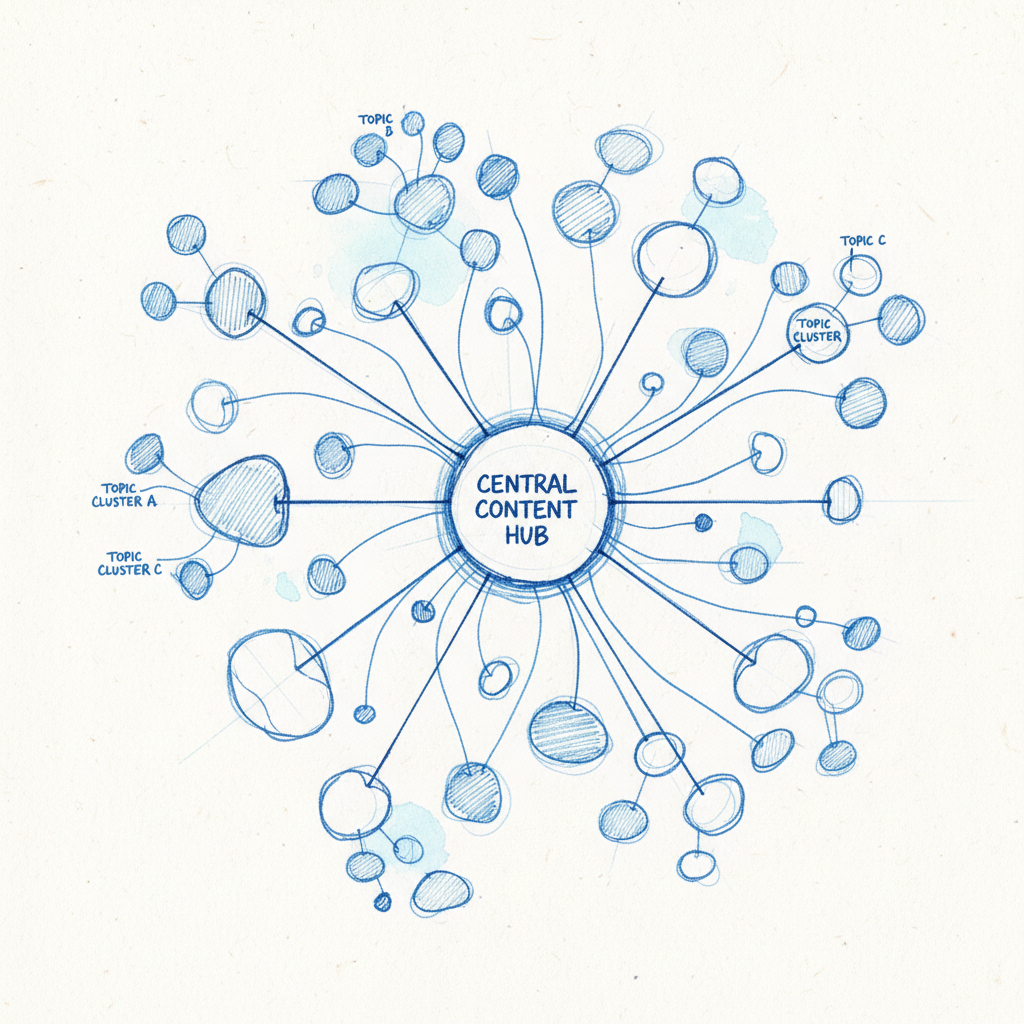
Content clusters are an SEO approach that changes how websites build topical authority. You create a central pillar page surrounded by strategically linked supporting articles. This signals to search engines that you're a definitive source on a specific topic. It's not just another content marketing tactic—it's a comprehensive strategy for establishing digital expertise.
What are content clusters and why search engines love them?
A content cluster has three key parts:
- Pillar Page: A comprehensive guide covering a broad topic
- Cluster Content: Specific articles exploring related subtopics
- Strategic Internal Linking: A web connecting all content pieces

The SEO evolution: from keyword targeting to topical authority
Isolated blog posts targeting single keywords don't work anymore. Modern search algorithms reward websites that demonstrate comprehensive topic coverage. The data backs this up:
- 52% average increase in organic traffic for cluster-based strategies
- Up to 40% improved page rankings compared to traditional content approaches
- Better visibility in AI-generated search results and featured snippets
Anatomy of a high-performing content cluster strategy

Pillar content: your comprehensive topic foundation
- Length: 2,000-4,000 words
- Targets broad, high-volume keywords
- Acts as the central hub of your topic ecosystem
Cluster content: deep-dive specific explorations
- Targets long-tail keywords
- Answers specific audience questions
- Builds overall topical authority
Strategic internal linking
- Connects pillar and cluster pages
- Passes SEO authority throughout the cluster
- Guides users through related content naturally
Step-by-step framework for building effective content clusters
Topic identification
- Align with business goals
- Focus on areas of genuine expertise
- Address audience pain points
Keyword research
- Find primary pillar page keywords
- Identify 15-20 long-tail variations
- Use tools like Ahrefs, SEMrush, Google "People Also Ask"
Content mapping
- Create visual cluster structure
- Define each piece's keyword and search intent
- Prevent content overlap
Existing content audit
- Repurpose and update current articles
- Identify quick optimization wins
Sustainable production planning
- Build realistic publishing calendar
- Match content creation to team capacity
- Keep consistent momentum
Ongoing internal linking
- Link new articles to pillar and existing content
- Build cluster structure continuously
Performance monitoring
- Track cluster-wide performance
- Expand successful topics
- Adjust strategy based on data
Scaling challenges and solutions
Production bottlenecks
A comprehensive cluster needs 10+ quality articles. Traditional content creation struggles with this volume. AI content generation can help, but you need proper oversight.
Keeping brand voice consistent
- Document voice guidelines
- Create detailed content briefs
- Use AI tools that learn your specific style
- Set up review workflows
I've seen teams try to scale too fast and end up with generic content that doesn't match their brand. Start small and build your process.
Measuring cluster performance
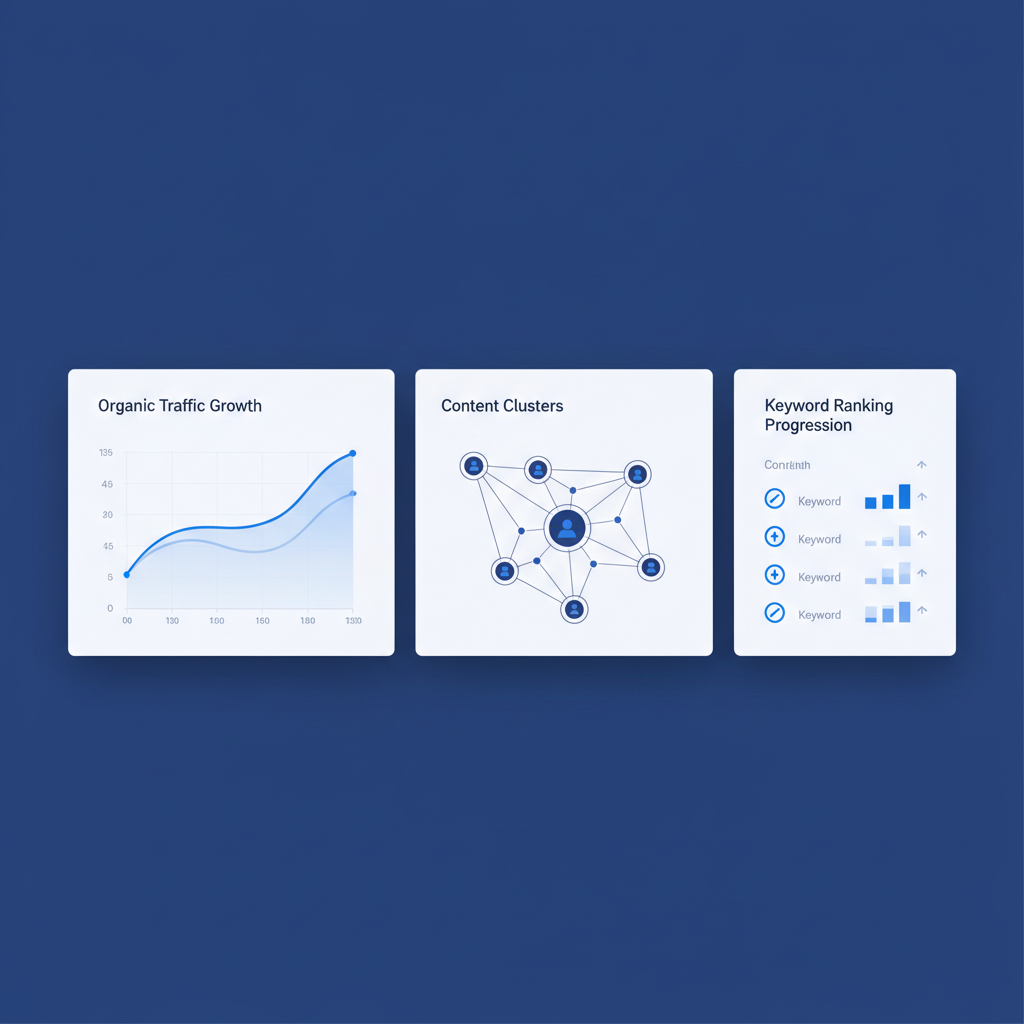
Key metrics to track:
- Organic traffic to entire cluster
- Pillar page keyword rankings
- Internal link click-through rates
- Engagement across cluster content
Common mistakes to avoid
- Targeting overly competitive topics
- Weak internal linking
- Keyword cannibalization
- Inconsistent publishing
- Ignoring search intent variations
The biggest mistake I see? Teams create the pillar page and a few cluster articles, then stop. You need to keep building and linking to see real results.
Frequently asked questions
How many articles should a content cluster have?
Typically 8-15 supporting articles, expanding based on topic complexity and performance.
How long until SEO results?
- Initial ranking improvements: 3-4 months
- Significant traffic gains: Around 6 months
Can AI help create quality content clusters?
Yes, when used strategically with human oversight and quality control.
Your next steps
Content clusters are a systematic approach to establishing digital authority. Start with one cluster. Build it carefully. Watch your search presence grow.
We've helped dozens of companies implement this strategy. The ones that succeed treat it as a long-term investment, not a quick fix.
Target Keywords: Content Clusters SEO, Topic Cluster Strategy
Create content like this automatically
Scribe uses AI to generate high-quality blog posts that engage your audience and drive traffic.