How to Turn Your E-commerce Blog Into a Revenue-Driving Sales Channel

How to Turn Your E-commerce Blog Into a Revenue-Driving Sales Channel
In online retail, your blog can be more than just content—it can actually drive sales. But here's the thing: most e-commerce brands treat their blog like an afterthought, publishing random updates that nobody reads.
The brands that get this right? They use their blog strategically to guide potential customers from "I have a problem" to "I need to buy this."
Why Most E-commerce Blogs Fail (And How to Create a Winning Strategy)
The Critical Mistakes in E-commerce Blogging
I've audited dozens of e-commerce blogs, and the problem is usually obvious within 30 seconds. They read like product catalogs written by robots. The Content Marketing Institute found that ineffective blogs typically:
- Push products instead of solving problems
- Share company news that customers couldn't care less about
- Publish thin, obvious content that adds no real value
The Proven Approach to E-commerce Blog Success
The blogs that actually work take a different approach:
- They start with customer problems, not product features
- They publish content people actually want to read
- They show up consistently (this matters more than you think)
Some Numbers Worth Knowing
- Blogs can boost website traffic by 55%
- Companies with active blogs generate 67% more leads per month
- Long-form posts (2,000+ words) earn 77% more backlinks
The Ideal E-commerce Content Mix for Maximum Conversion
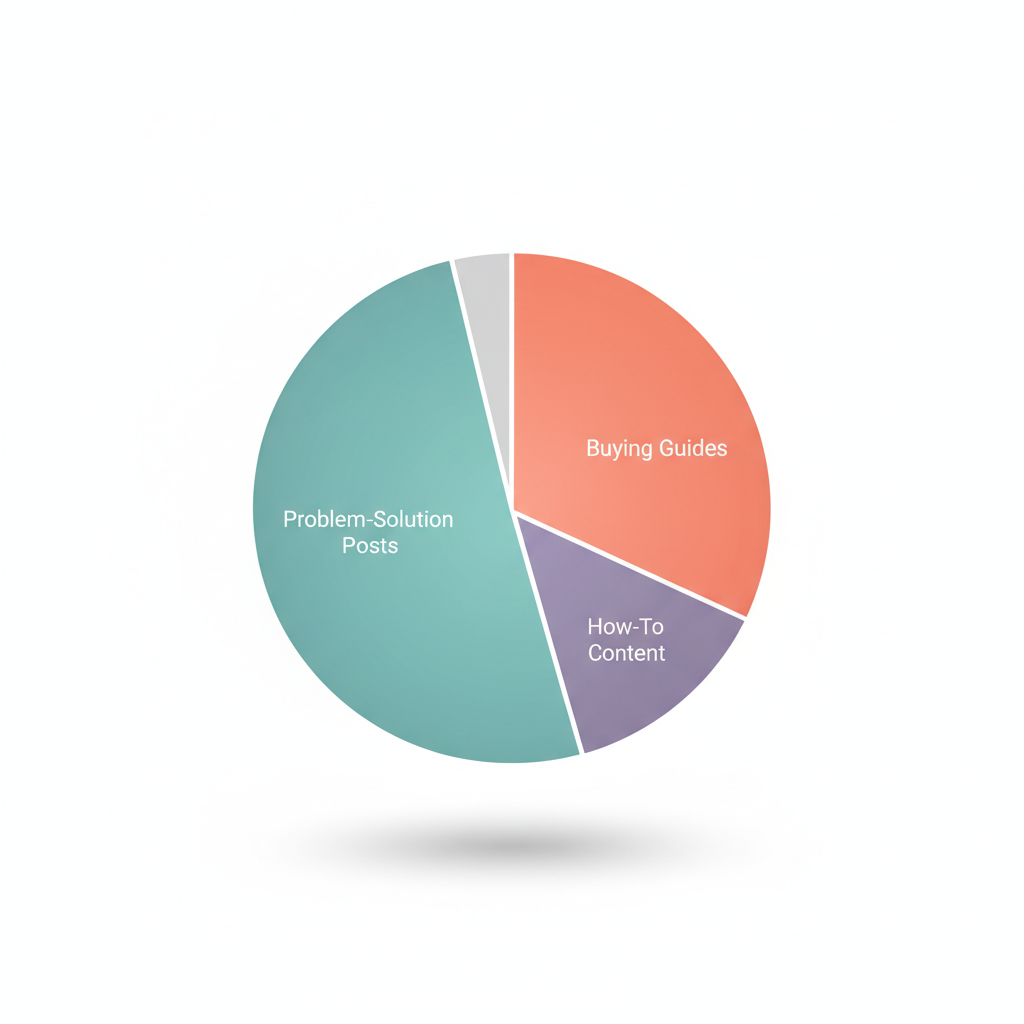
What Actually Works: Content Types That Convert
Here's how I recommend breaking down your content:
Problem-Solution Posts (60%)
These target people who know they have a problem but don't know what to buy yet. Write about the pain points your customers face, then naturally introduce your products as solutions.
Buying Guides and Reviews (20%)
This is where you capture people ready to purchase. Think "Best winter boots for icy sidewalks" or "Wireless headphones under $200: tested and ranked."
How-To Content (10%)
Show your products in action. These posts demonstrate value while teaching something useful.
Seasonal and Trending Topics (10%)
Capitalize on timely searches and current events in your industry.
Building Your E-commerce Blog Strategy: A Step-by-Step Guide
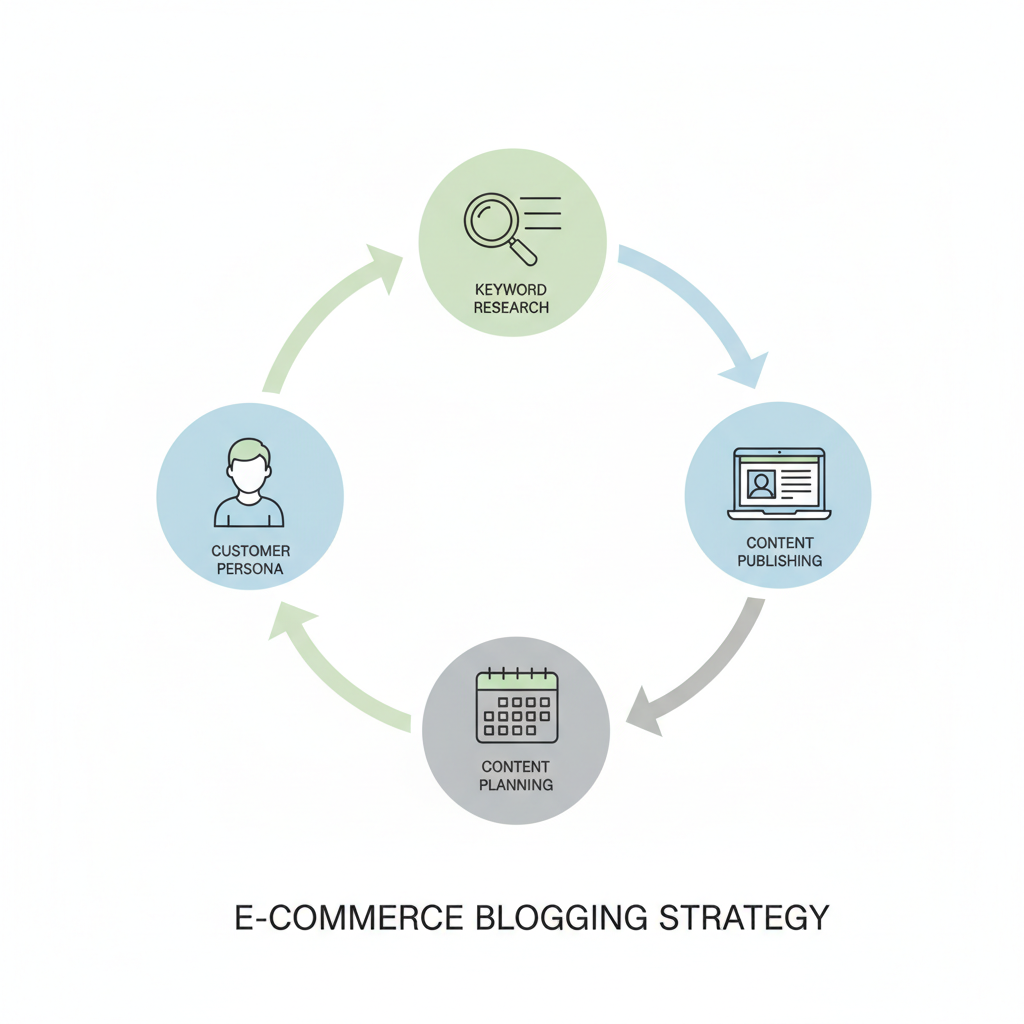
Here's How to Build Something That Works
1. Map Your Customer Journey
Before writing anything, figure out what questions people ask at each stage. What do they search for when they first realize they have a problem? What about when they're ready to buy?
2. Do Real Keyword Research
Use Ahrefs, SEMrush, or even Google's autocomplete. Look for commercial intent keywords ("best," "vs," "review") and informational queries your customers actually search for.
3. Plan Your Content Calendar
Mix evergreen topics with timely ones. Plan at least three months ahead, but stay flexible enough to jump on trends.
4. Track What Matters
Set up Google Analytics to track assisted conversions—sales that started with a blog post but converted later. This is where your blog's real value shows up.
Scaling Content Without Team Burnout
How AI Changes the Game
I'm not going to pretend content creation isn't time-consuming. It is. But AI tools can help you scale without burning out your team.
We use AI to generate first drafts, then have our writers add personality, check facts, and make sure everything sounds human. It's not about replacing writers—it's about letting them focus on the high-value stuff.
The key is maintaining quality control. AI can help with research and structure, but you still need human judgment for strategy and voice.
Converting Blog Readers Into Customers
Getting traffic is only half the battle. Here's how to turn readers into buyers:
- Link strategically to product pages (but don't be pushy about it)
- Place calls-to-action where they make sense in the customer journey
- Build an email list so you can nurture leads over time
- Track assisted conversions to see your blog's real impact
- Test different approaches to see what works for your audience
What to Expect (And When)
Timeline for Results
Most e-commerce blogs start seeing real traction around the 3-4 month mark if you're publishing consistently. Significant growth typically happens around 6 months.
The catch? You have to stick with it. Publishing one great post per month beats publishing ten mediocre posts then going silent for three months.
Frequently Asked Questions
How Long Until I See Results?
Six months of consistent publishing usually shows meaningful results. Some posts might rank and drive traffic sooner, but building real momentum takes time.
What's the Right Blog Post Length?
I aim for 1,500-2,500 words, but length isn't the goal—thoroughness is. Answer the question completely. Sometimes that takes 800 words, sometimes 3,000.
Final Thoughts
Your e-commerce blog can become a reliable source of organic traffic and sales, but only if you treat it strategically. The brands winning with content marketing aren't necessarily spending more money—they're being smarter about what they publish and when.
Start with your customers' problems. Write content that actually helps them. Show up consistently. The rest will follow.
The best time to start was six months ago. The second-best time is today.
Create content like this automatically
Scribe uses AI to generate high-quality blog posts that engage your audience and drive traffic.