Boosting Domain Authority: A Comprehensive Guide to Topic Clusters for E-commerce Brands
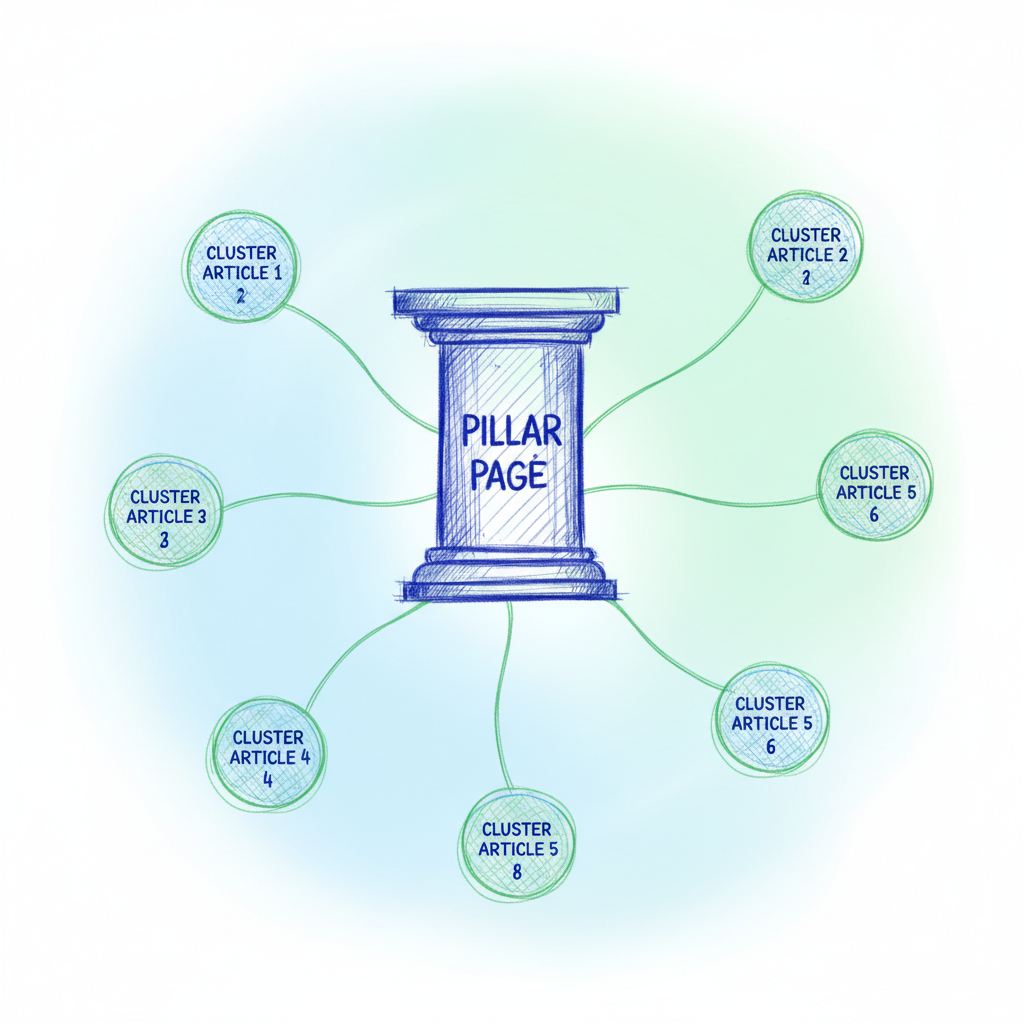
Boosting Domain Authority: A Comprehensive Guide to Topic Clusters for E-commerce Brands
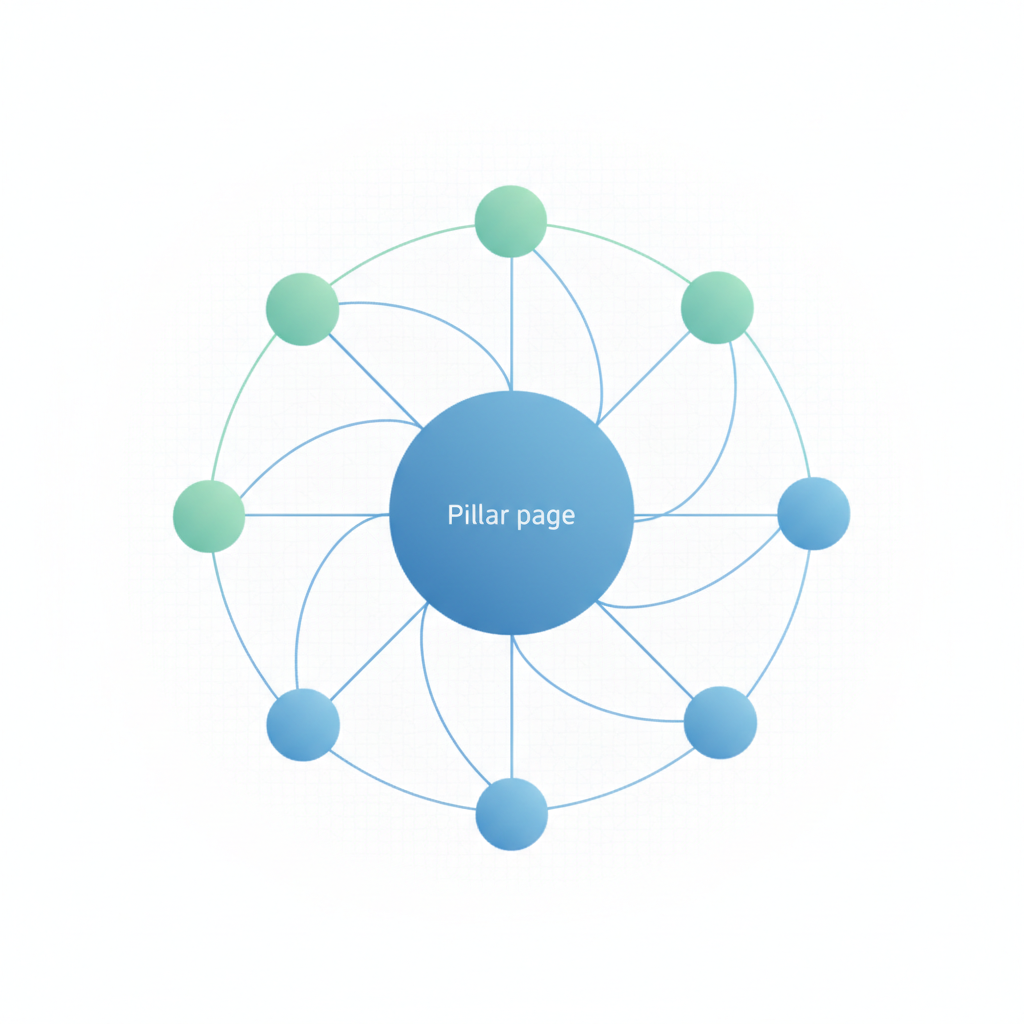
Understanding Topic Clusters: The SEO Strategy That Transforms E-commerce Content
Topic clusters organize your content around central pillar pages, with related articles linking back to them. For e-commerce brands, this method changes how we approach content marketing by connecting related articles to show search engines our expertise on specific topics.
How Topic Clusters Work for Online Stores
Here's the basic setup: you create a pillar page covering your main product category or service. Then you write supporting articles that link back to it. This internal linking structure tells search engines that your site has deep knowledge on specific topics, which improves your domain authority and organic search rankings.
Most brands publish random articles that never connect to anything else. Topic clusters fix this by creating a systematic approach where each piece of content supports the others, compounding your organic traffic over time.
The Anatomy of Effective Topic Clusters
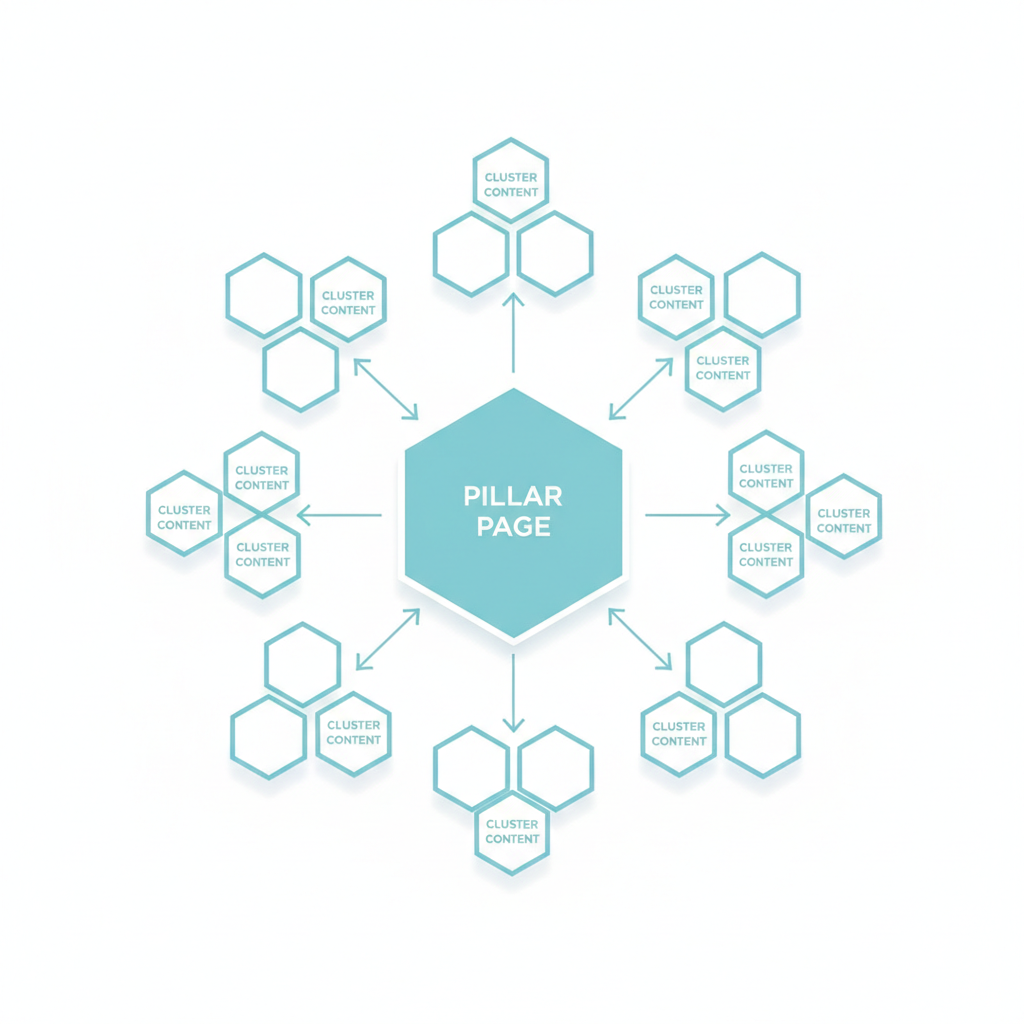
Key Components of a Successful Topic Cluster
- Pillar Page: A comprehensive guide covering a broad topic in depth
- Cluster Articles: Focused pieces diving into specific subtopics
- Internal Linking: Strategic connections between pillar and cluster content
Why Topic Clusters Matter for Domain Authority
Google's semantic search algorithms increasingly favor websites that demonstrate topical authority. A 2023 study from Search Engine Journal found that websites using topic cluster strategies see:
- 40% increase in organic traffic
- Up to 25% improvement in domain authority
- Better rankings for topic-related keywords
Strategic Cluster Creation for E-commerce Brands
Mapping Clusters to Your Product Categories
Identify Product Categories
- List your main product collections
- Look at customer questions and pain points
- Research relevant long-tail keywords
Develop Your Content Strategy
- Create pillar pages (2,000-3,500 words)
- Build 8-15 supporting cluster articles
- Plan your internal linking structure
Internal Linking: The Technical Backbone of Topic Clusters
Best Practices for Interconnected Content
- Use descriptive, relevant anchor text
- Link naturally within the content flow
- Connect your pillar page to cluster articles
- Cross-link related cluster content when it makes sense
- Keep it user-friendly—don't over-link
Scaling Content Creation Efficiently
Tools and Strategies for Consistent Cluster Development
- Use AI content tools to speed up first drafts
- Set up quality review processes
- Create a structured content calendar
- Stick to consistent publishing schedules
- Track performance and adjust your approach
Measuring Topic Cluster Performance
Key Metrics to Track:
- Organic traffic growth
- Keyword ranking improvements
- Time on site
- Pages per session
- Domain authority trends
The Long-Term Impact of Strategic Content Clustering
Topic clusters do more than boost SEO—they turn your website from a simple product catalog into a trusted resource. When done well, they show both search engines and customers that you really know your stuff.
By creating interconnected, valuable content, you build sustainable organic traffic that compounds over time. We've seen e-commerce sites double their organic traffic within 12 months using this approach.
Ready to Get Started?
Pick your highest-priority product category and map out your first topic cluster. Start small, stay consistent, and focus on creating genuinely helpful content.
Frequently Asked Questions
How Long Until I See Results?
Most e-commerce sites see measurable improvements in 3-6 months with consistent, quality content publishing. Some competitive keywords take longer.
How Many Cluster Articles Do I Need?
We recommend 8-15 cluster articles per pillar page. This gives you comprehensive coverage without overwhelming your content calendar.
Target Keywords: topic clusters, domain authority SEO, e-commerce content strategy
Optimize for: Strategic keyword placement, comprehensive coverage, user-focused information
Create content like this automatically
Scribe uses AI to generate high-quality blog posts that engage your audience and drive traffic.