What Competitors' Black Friday Ads Teach You Year-Round
16 min read
Loading...
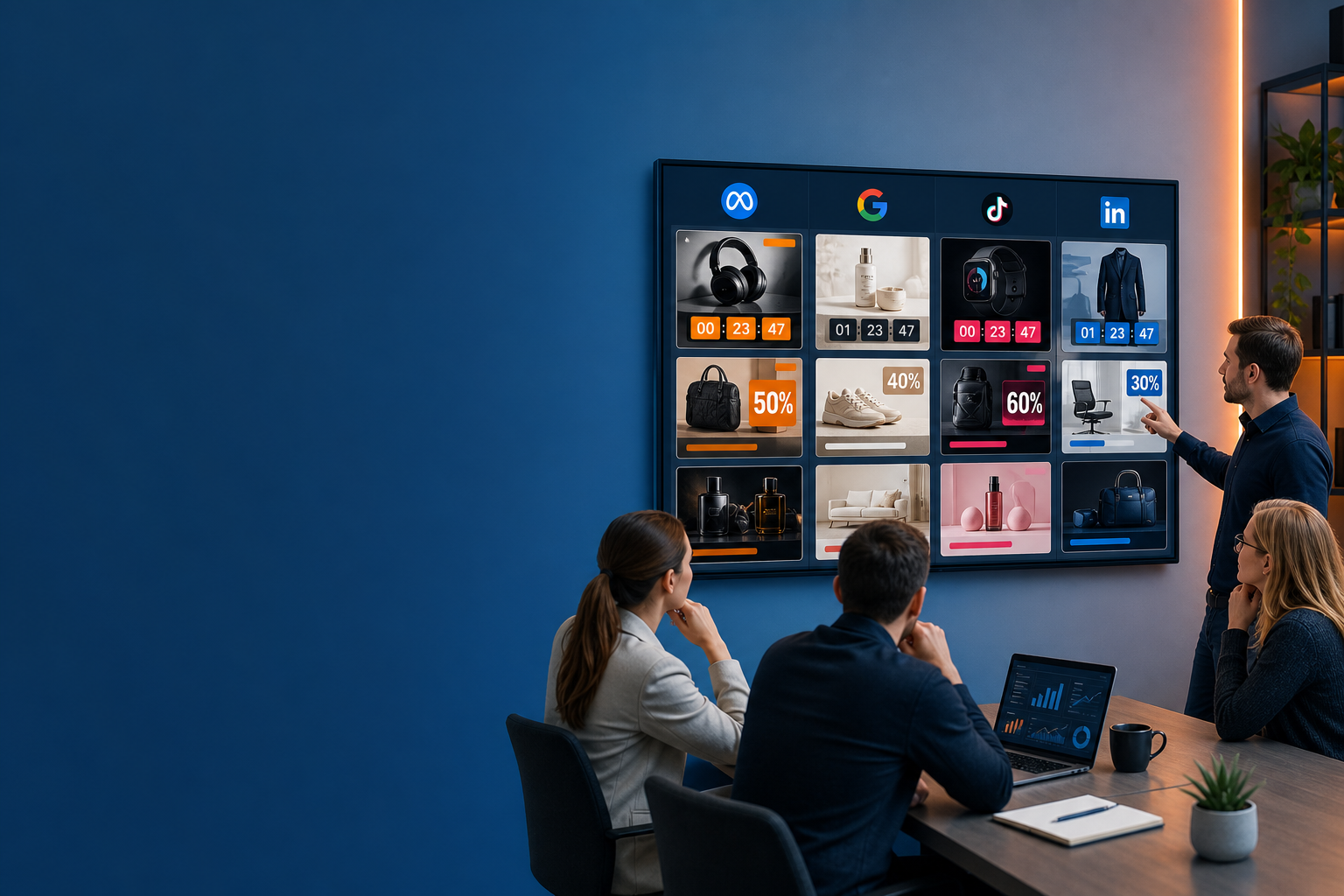
Your competitors' Black Friday ads aren't just a seasonal spike. They're a compressed masterclass in what they believe converts. Peak season forces brands to run their most-tested offers and sharpest creative under real pressure. Watch those campaigns closely, archive them through seasonal ad monitoring, and you end up with a reusable playbook of offer structures and urgency tactics you can adapt to your own campaigns all year, not just in November.
I'll be honest: for years, my team treated Black Friday the way most marketers do, as a mad scramble that starts in October and ends the moment the sale banners come down. We'd glance at what competitors were doing, maybe screenshot a few ads that caught our eye, and then move on. It wasn't until we started properly archiving competitor ads week by week that we realised how much we'd been leaving on the table.
Peak season isn't just a busy few weeks for your rivals. It's one of the only times of year they show you this much of their hand at once, even if you can't see the cards underneath.
A quick but important caveat before we get into it: everything below is built from what you can observe, which ads run, for how long, how often they change, and how they're worded. None of that tells you exact spend, budget allocation, or conversion rates. Treat these as strong signals of confidence and priority, not hard proof of performance. I'll flag where that distinction matters most.
Here's the thing about Black Friday and the broader UK holiday period, which now stretches from Black Friday through Cyber Monday into Boxing Day sales: it's expensive to guess. When a brand pours its biggest budgets of the year into Meta, Google Ads, TikTok, and LinkedIn simultaneously, it's leaning heavily on the offers and creative it already trusts, hooks that have proven themselves in smaller campaigns earlier in the year, now scaled up because the stakes feel too high for anything untested.
That's why this window matters so much for competitor ads research, and why it's the foundation of effective seasonal ad monitoring. In a normal month, you might see a brand run three or four ad variations, and it's genuinely hard to tell which ones are "the good ones." During peak season, ads that get more creative variations and longer run times are usually the ones a brand has more confidence in, but that's an inference, not a certainty. You can't see their dashboard. What you can see is a pattern of behaviour worth paying attention to.
A few things make this period uniquely useful to study:
The catch is that none of this sticks around. Once the sale ends, most brands pull their peak-season ads within days. If you're not actively monitoring and archiving them as they run, that intelligence just evaporates, which is the whole reason ongoing seasonal ad monitoring earns its keep long before November even arrives.
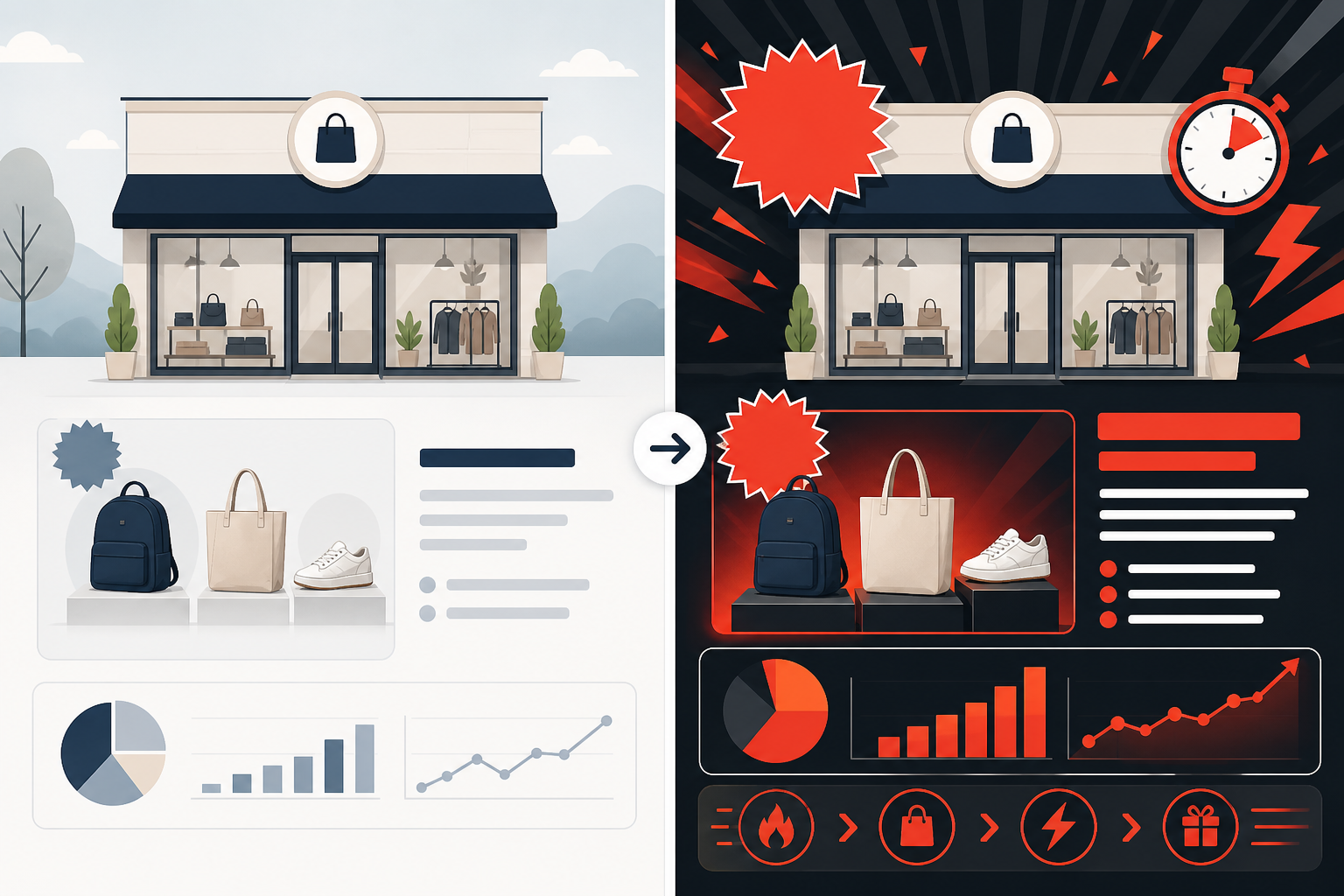
If you watch enough competitors across enough Black Fridays, you start noticing the same offer skeletons dressed up in different copy each year. That repetition is worth paying attention to. Brands don't tend to keep running an offer structure for multiple years if it's clearly underperforming, even though we can't know their internal numbers.
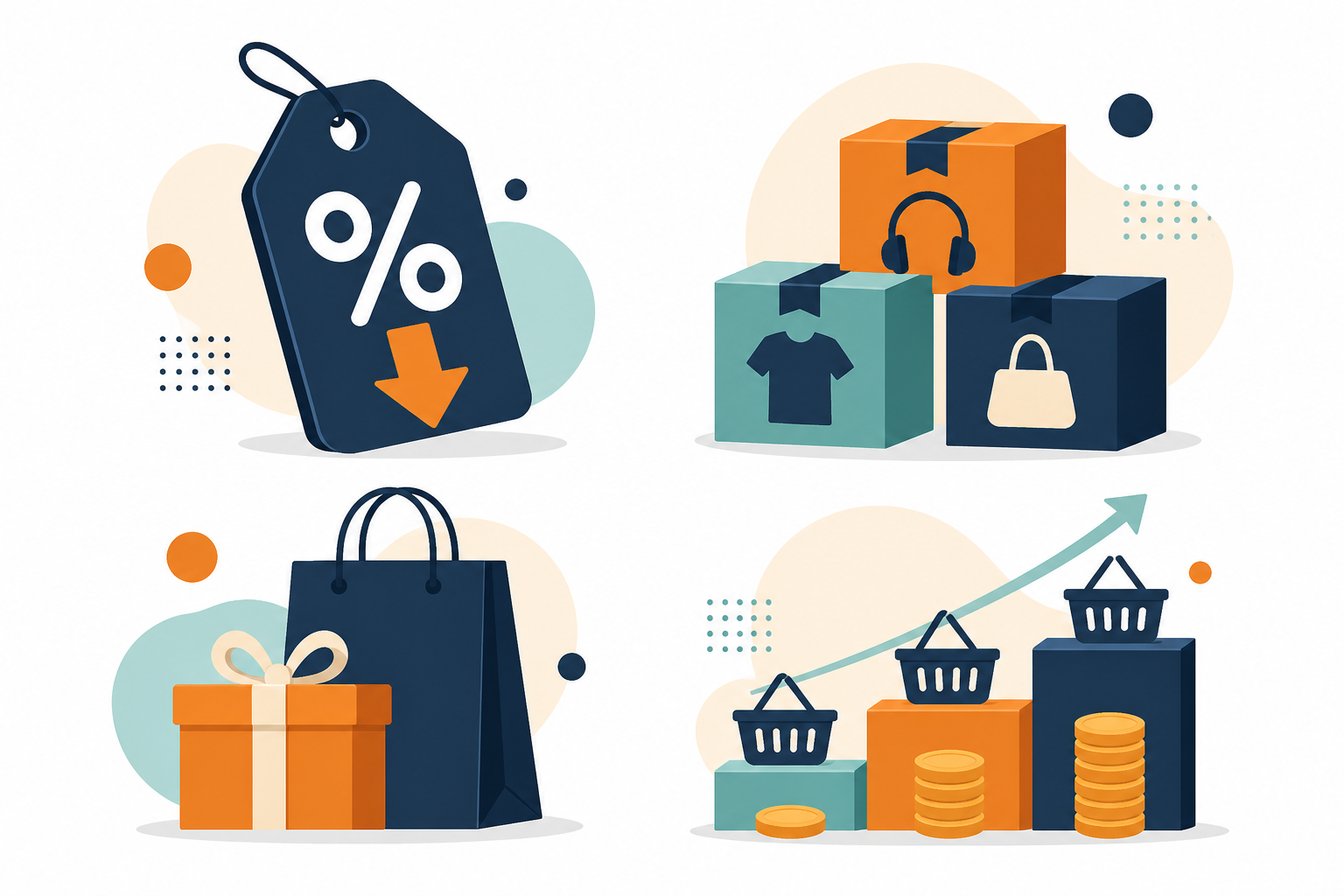
Here are the patterns worth tracking, and what to record for each one:
A simple way to track this: for each competitor, log the date spotted, platform, offer type, discount depth, minimum basket value (if tiered), exclusions, shipping threshold, and how long it ran. Over a couple of seasons, that log becomes far more useful than memory or scattered screenshots.
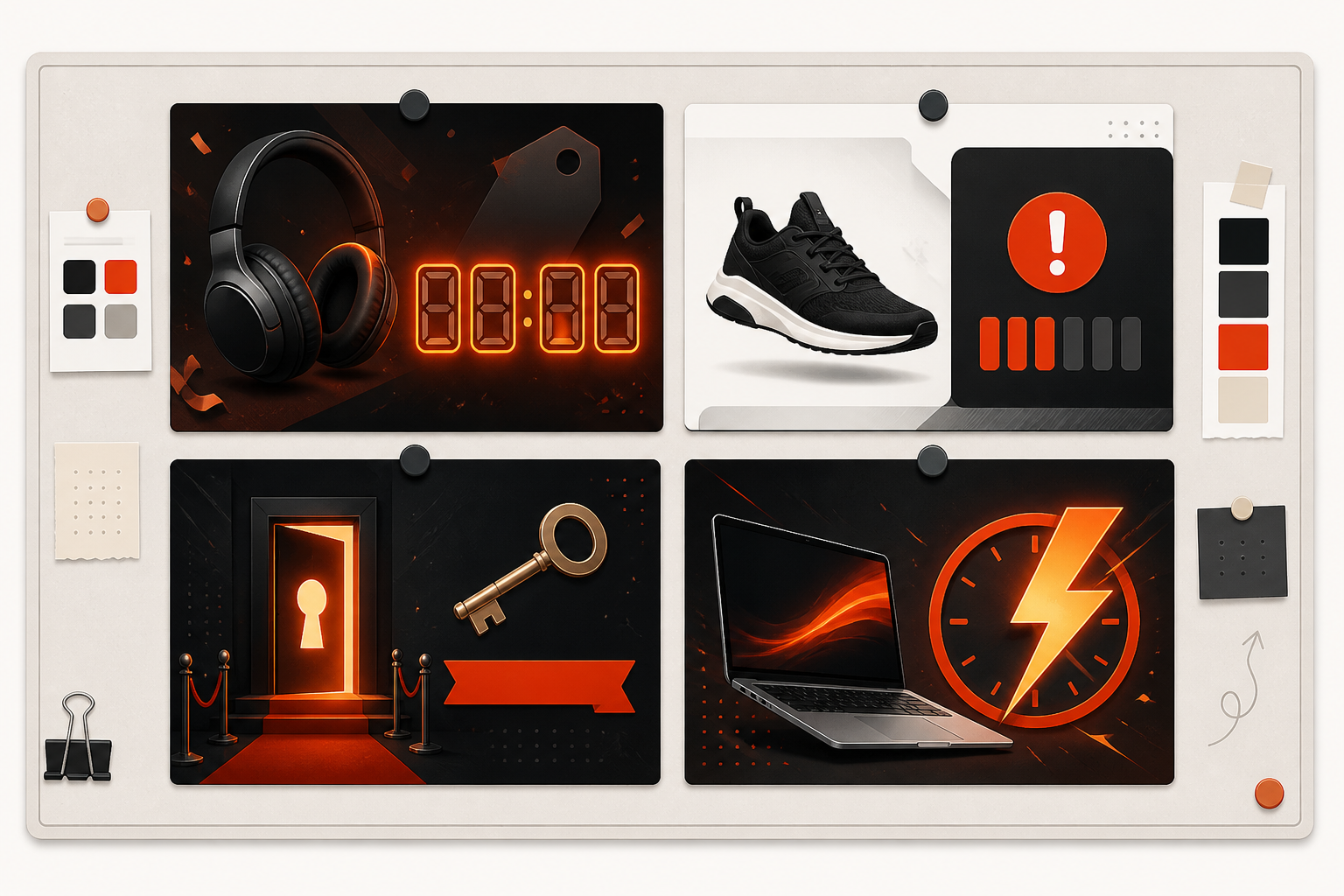
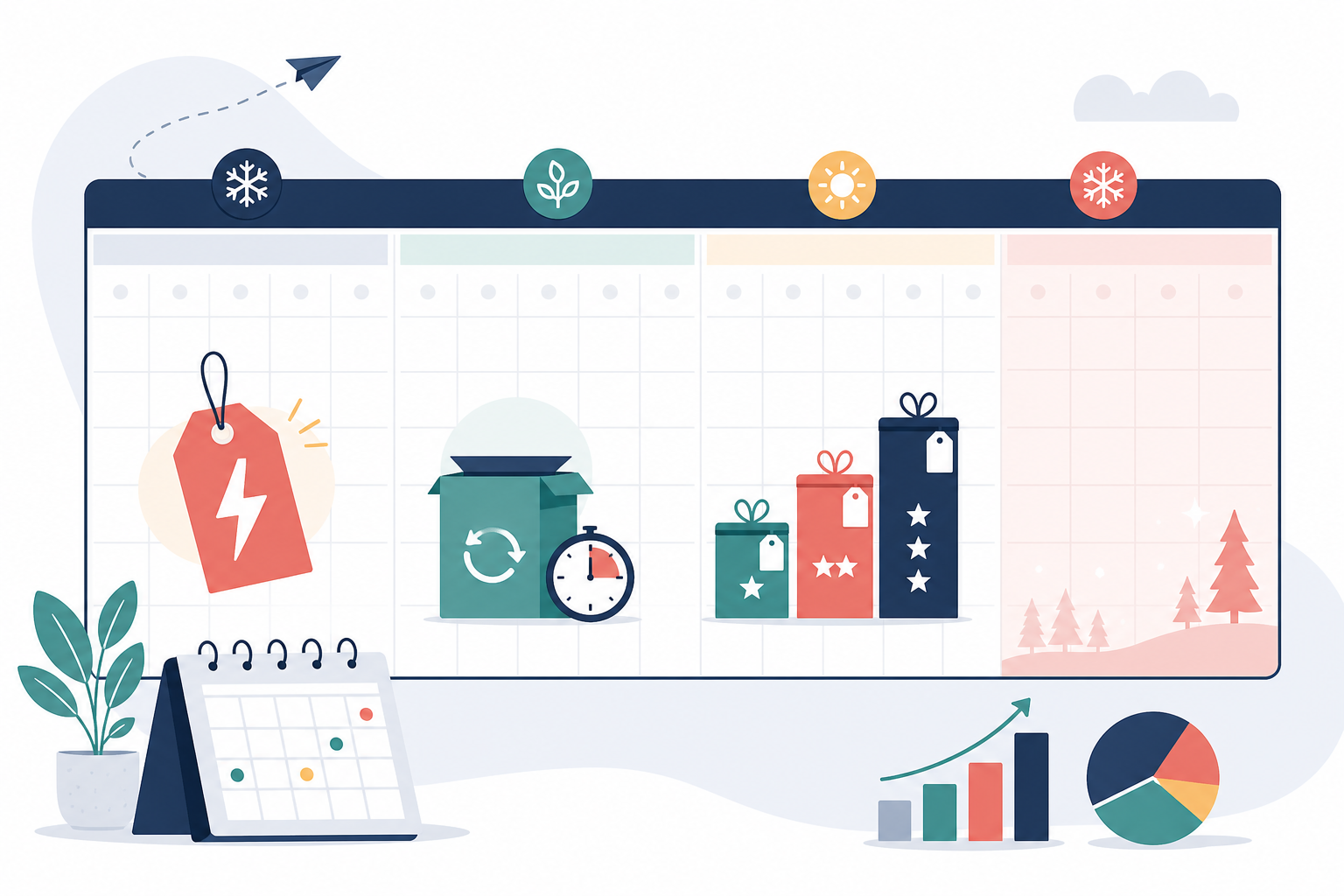
Offer structure is only half the story. The other half is how a brand dresses up that offer to make you feel like you need to act right now. Urgency is one of the oldest tricks in direct marketing, but Black Friday is where you see it deployed at full intensity, which makes it a useful testing ground for tactics you can borrow later, at a gentler scale.
Here's what I'd keep an eye on:
The real value here isn't just spotting that a competitor escalates urgency, it's seeing roughly when they escalate it. That's a detail you mostly get from consistent, week-over-week ad monitoring rather than a single before-and-after glance. Noticing that a competitor shifts from "mid-sale" to "final hours" messaging around 48 hours before Cyber Monday, for instance, gives you a rough timing benchmark to test against in your own campaigns.
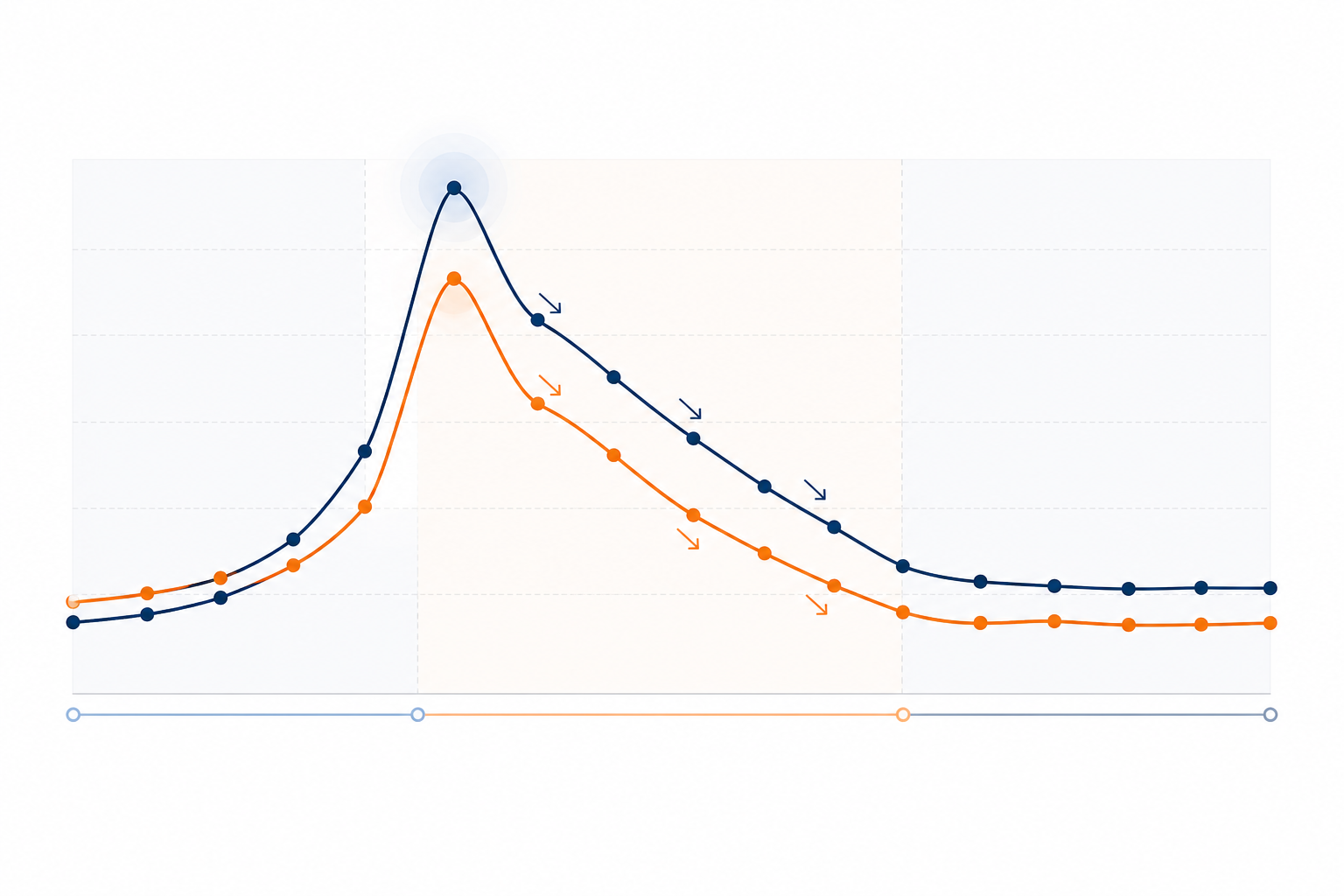
This is the part most people skip, and it might be the most useful stretch of a competitor's whole campaign to watch. Everyone pays attention to the Black Friday ramp-up. Almost nobody watches the wind-down. But the wind-down can tell you just as much about how a brand thinks about margin and customer acquisition, with the usual caveat that this varies a lot by category, so treat these as patterns worth checking rather than universal rules.
A few patterns show up fairly consistently, particularly in fashion, beauty, and general retail:
This is exactly the kind of pattern that ongoing week-over-week ad monitoring is built to catch. Rather than trying to remember what a competitor's ad looked like three weeks ago, you get a running record of what's stopped running, what's been scaled back, and what's kept going unchanged. That post-sale window often reveals as much about a brand's confidence in an offer as the peak week itself does, arguably more, since nobody's forcing them to keep an ad live once the pressure's off.
None of this is useful as trivia. The point of watching competitor ads this closely is to build a playbook you actually reuse, carefully, and with your own testing discipline attached. Here's how I'd suggest putting it into practice.
Archive and tag competitor ads while they're live. Don't rely on memory once the sale ends, by then, half the ads are already gone. Tag each one by offer type (percentage off, bundle, tiered), urgency tactic (countdown, scarcity, early access), platform, and approximate run length, so you've got a searchable library rather than a vague impression.
Rebuild the same structures at a smaller scale, with a hypothesis attached. A tiered spend threshold or a gift-with-purchase offer doesn't need to be reserved for November. Before you test one for a product launch, restock, or February slow-season push, write down what you expect to happen (e.g. "AOV increases by X%"), who you're testing it on, and how long you'll run it before judging the result. The mechanics that worked at scale during Black Friday are a starting hypothesis, not a guaranteed outcome.
Spread urgency tactics across the calendar instead of hoarding them. Rather than saving every trick for peak season, test one per quarter: a 48-hour flash sale in March, a genuine stock counter tied to a limited restock in June. This keeps your audience responsive to urgency messaging instead of only expecting it in November. Keep any scarcity claims truthful and verifiable. It protects both trust and you from regulatory headaches.
Look for patterns that repeat across several competitors, not just one. If you're tracking multiple rivals, pay attention to which tactics show up across several brands in your category at the same time. That kind of repetition, several competitors adopting a similar offer structure or urgency device in the same season, is a reasonably strong signal it's working across the category, though still not proof for any single brand. Tools with an AI layer that summarise these cross-brand shifts can save you from manually connecting the dots across a dozen competitor accounts yourself.
Set up ongoing seasonal ad monitoring so next year isn't a cold start. The brands that get the most value from this approach aren't scrambling to check competitor ads in the last week of October. They've had monitoring running quietly all year, so when peak season arrives, they already have a comparison point from the year before and can spot what's changed quickly.
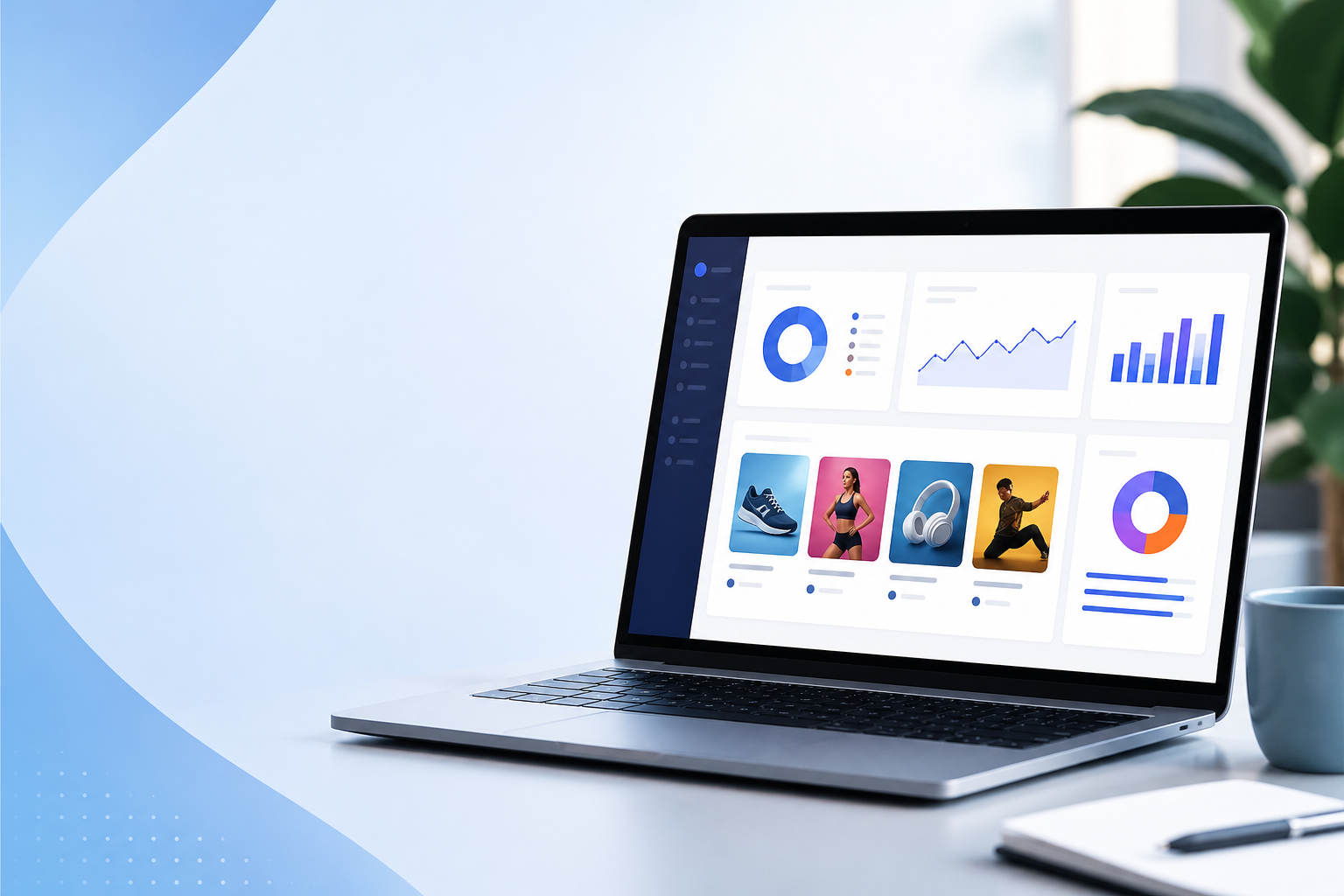
This is roughly how we've built Rival Ads to support the workflow above. You add a competitor's website, we detect their public ad presence across Meta, Google Ads, TikTok, and LinkedIn, and fetch their active ads on a weekly basis, no ad account connections required on either side. Coverage depth varies by platform, since Meta's Ad Library is more open than Google's or LinkedIn's ad surfaces, so what we can surface reflects what each platform makes publicly visible. Over a full year, that weekly cadence builds exactly the kind of archive that turns next Black Friday into a comparison exercise instead of a guessing game.
Black Friday ads get treated like a one-off event, but they're really a stress test. They show you, in condensed form, what a competitor is willing to bet on when the pressure is highest, not proof of what actually worked, but a strong, observable signal worth taking seriously. Offer structures that repeat year after year, urgency tactics that get deployed and then quietly kept running, creative that survives the edit into January: all of it is data worth logging, and most of it disappears if nobody's watching closely enough to catch it.
Consistent seasonal ad monitoring turns that one chaotic month into a genuine, reusable strategic resource, one you can draw on in March, in July, and again next November when the cycle starts over.
You get a strong, observable signal of what your competitors believe will convert under pressure: their preferred offer structures, sharpest copy, and the creative formats they run longest or with the most variations. It's not proof of actual performance, since spend and conversion data stay private, but peak season strips away a lot of the ambiguity you'd otherwise face trying to interpret a competitor's normal-month activity.
No, not directly. Public monitoring shows you signals, run length, creative variation, repetition year over year, and where a brand puts its most polished assets, but it can't show you click-through rates, conversion rates, or actual spend. Treat these signals as a shortlist of ideas worth testing yourself, not a verified leaderboard of "winning" ads.
Many translate well, just at a lower intensity and with your own testing attached. Countdown timers, limited stock messaging, and early-access framing all work for product launches, restocks, and flash sales, you just dial back the frequency and scale so it doesn't feel manufactured. Just make sure any scarcity claims are genuine; the psychology only holds up if customers trust it.
Most brands taper rather than stop cold, though this varies by category. Watch for percentage discounts shrinking gradually, bundle offers replacing straight discounts, and urgency language softening into "while stocks last" rather than hard countdowns. Tracking that taper with weekly ad monitoring gives you a rough sense of how a competitor balances margin recovery against continued acquisition into the new year.
Ideally two to three peak seasons, if you have access to the history. One year could be a one-off test; two or three years of the same offer structure or hook suggests a strategy they've committed to, which makes it a more reliable pattern to build into your own planning.
Yes, that's how Rival Ads works. You add a competitor's website, and we detect and archive their live ads across Meta, Google, TikTok, and LinkedIn, drawing on what each platform makes publicly available, with no account access needed on either side.
Build client ad reports UK agencies actually read: turn competitor ads and ad intelligence into strategic insights that prove value and improve retention.
Learn how competitor ads reveal competitor positioning. Use simple ad intelligence to decode messaging, spot strategy shifts and track rivals weekly.

See how ad intelligence helps media buyers spot competitor ad patterns, test cycles and messaging shifts—without replacing human judgment.