Why Your Shopify Store Needs a Blog (And How to Start One That Drives Sales)
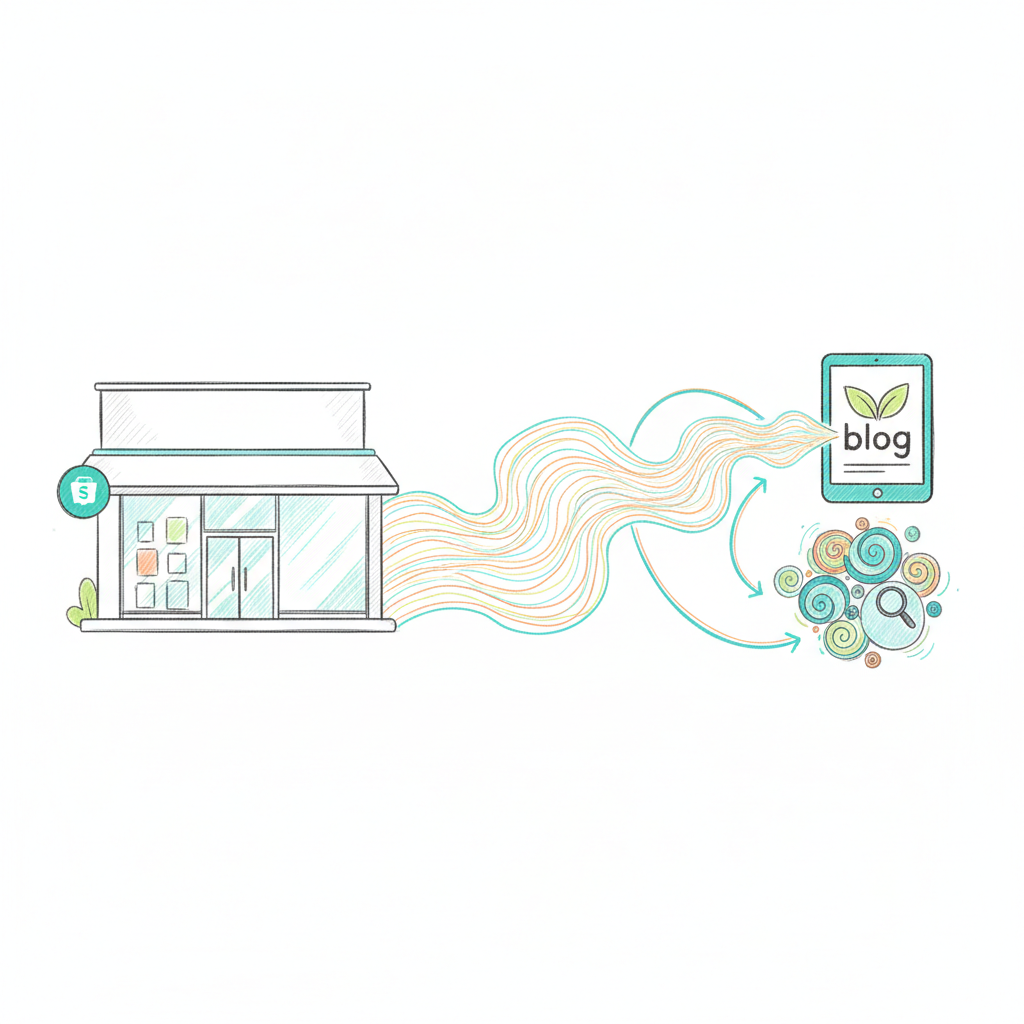
Why Your Shopify Store Needs a Blog (And How to Start One That Drives Sales)
Stop relying on ads alone: why blogging builds lasting growth
Your Shopify store is basically a digital catalog right now. Customers land on your product pages, maybe buy something, maybe don't. But what if those same customers could discover you months before they're ready to purchase?
That's what a blog does. While your Facebook ads drain your budget every day, blog posts work 24/7 without ongoing costs. I've seen stores double their organic traffic in six months just by publishing consistently.
Why most store owners avoid blogging (and why that's a mistake)
"I barely have time to fulfill orders, and you want me to become a writer?"
I get it. Running a Shopify store means wearing twelve hats already. But here's what happens when you skip content: you stay trapped in the paid advertising cycle. Ad costs go up, targeting gets harder, and you're always one policy change away from losing your main traffic source.
The numbers don't lie: blogs drive real revenue
Let me share some data that might change your mind:
- Customer acquisition costs jumped 60% across e-commerce in the past five years (according to HubSpot's 2024 report)
- Shopify stores with active blogs get 55% more website traffic than stores without them
- Stores that blog have 434% more indexed pages, giving them more chances to rank in search results
But here's the number that matters most: stores with blogs see 13x higher ROI from content marketing than stores relying only on ads.
How blogs actually make you money
A good blog doesn't just attract random visitors. It builds a funnel that feeds customers into your store:
Early discovery: Someone searches "how to choose running shoes" and finds your detailed guide. They're not ready to buy today, but now they know your brand exists.
Trust building: That same person reads three more of your posts over the next month. By the time they're ready to purchase, you're already their trusted source.
Search dominance: Every blog post is another chance to rank in Google. More pages indexed means more opportunities for customers to find you.
Content multiplication: One blog post becomes social media content, email newsletter material, and FAQ answers.
How e-commerce blogging is different
Don't just copy what SaaS companies do. Retail content needs a different approach:
You're not just educating - you're solving problems that your products address. If you sell kitchen gadgets, write about cooking techniques. If you sell fitness gear, cover workout routines. Stay close enough to your products that the connection feels natural.
Also, timing matters more in retail. That "best winter coats" post needs to rank by October, not January.
Your step-by-step blog launch plan
Step 1: Mine your customer questions
Your support emails are a content goldmine. What do customers ask before buying? What confuses them about your products? Those questions are your first blog posts.
Step 2: Validate with search data
Use free tools like Ubersuggest or Answer the Public to see if people actually search for these topics. No point writing about something nobody cares about.
Step 3: Commit to a realistic schedule
Don't promise daily posts if you can barely manage weekly inventory updates. Two quality posts per month beats eight rushed ones.
Step 4: Set up your Shopify blog properly
Create clear categories. Use consistent formatting. Make it easy for customers to find related posts.
Step 5: Publish your first batch
Write five posts before you launch. This gives visitors something to browse and shows Google you're serious about content.
Scale without burning out
Here's where AI becomes your secret weapon. I'm not talking about publishing robot-written articles (customers can tell). I mean using AI to handle the heavy lifting:
- Generate outlines and first drafts
- Research keywords and topics
- Create meta descriptions and titles
- Optimize existing posts for better performance
The key is using AI as a writing assistant, not a replacement for human judgment.
Content ideas that actually convert
Based on what I've seen work for other Shopify stores:
- Product comparison guides: "Memory foam vs spring mattresses" (if you sell bedding)
- Seasonal buying guides: "Winter cycling gear checklist" (published in September)
- Problem-solving tutorials: "How to remove red wine stains" (if you sell cleaning products)
- Behind-the-scenes stories: How your products are made, company values, founder journey
- Customer spotlights: Real people using your products in interesting ways
Track what matters
Don't just count page views. Watch these metrics instead:
- How many blog visitors click through to product pages
- Which posts generate the most email signups
- Revenue from customers who read blog posts first
- Keywords you're ranking for (and how they're improving)
- Time spent on blog posts (longer is usually better)
Use Google Analytics to set up "assisted conversions" tracking. This shows you when blog content helps with sales, even if it's not the final click.
Start small, think big
Your blog won't transform your business overnight. But six months from now, you'll have created assets that keep working while you sleep.
The Shopify stores winning in 2024 aren't necessarily spending the most on ads. They're the ones building content that customers actually want to read.
Pick one topic your customers care about. Write 500 words about it. Hit publish. Do it again next week.
Your future self will thank you.
Frequently Asked Questions
Q: How often should I publish?
A: Quality beats quantity every time. Two solid posts per month will outperform eight rushed ones. Focus on helping your customers solve real problems.
Q: How long until I see results?
A: Expect 3-6 months of consistent publishing before organic traffic really takes off. But I've seen stores get their first blog-driven sale within weeks.
Q: Can AI help with blog content?
A: Absolutely. Use AI to generate outlines, research topics, and create first drafts. Just make sure a human reviews and edits everything before publishing.
Target Keywords: Shopify blog, e-commerce content strategy
Create content like this automatically
Scribe uses AI to generate high-quality blog posts that engage your audience and drive traffic.