What Your Competitor's Ad Spend Signals About Growth Plans (And How to Read Them)
11 min read
Loading...

Competitor ad spend rarely stays quiet before a big move. Sudden platform expansion, spikes in creative output, new geographic targeting and messaging pivots are all early signals that a competitor has raised funding, is entering a new market or is repositioning its product. If you know what to watch for across Meta, Google, TikTok and LinkedIn, you can often spot these shifts weeks or months before a press release confirms them.
I've watched this play out enough times now to trust it as a pattern rather than a coincidence. A competitor goes quiet on messaging for a few weeks, then suddenly they're everywhere: new platforms, new copy, new creative volume. Three weeks later there's a funding announcement or a market expansion post on LinkedIn. The ads told the story first. This guide breaks down exactly what to watch for and how to turn those signals into something you can bring to your leadership team.
Here's the thing about advertising: it's one of the fastest-moving, most visible signals a company produces. Hiring plans take months to show up publicly. Product launches get held under NDA until launch day. But ad spend? It changes weekly, sometimes daily, and it's sitting right there in the Meta Ad Library or a TikTok feed for anyone paying attention.
Marketing teams also tend to move faster than legal, PR or finance. Budget gets deployed the moment leadership gives the nod, often well before a formal announcement goes through comms review. By the time a company puts out a press release about entering a new market, the marketing team has usually been running ads there for weeks.
There's also a simple logic to why ads are such an honest signal: they're a public commitment. A company won't scale spend behind a message, a new vertical or a new platform unless leadership has already signed off on the underlying strategy. Nobody burns budget testing a positioning angle that hasn't been internally agreed. So when you see spend patterns shift, you're not seeing a marketer's whim. You're seeing a decision that's already been made upstream.
I've seen this pattern repeatedly with teams using Rival Ads. A fundraise or a pivot shows up in ad behaviour days or weeks before it's confirmed anywhere else. The ad account doesn't lie, even when the comms team hasn't caught up yet.
This is probably the single clearest signal in competitive ad intelligence, and it's the easiest to spot if you're monitoring consistently.
With Rival Ads, this is one of the easiest signals to catch automatically. You just point it at a competitor's website (no ad account connections needed) and it detects their presence across Meta, Google Ads, TikTok and LinkedIn on its own. You're not manually checking four platforms every week hoping you notice a new one; the ad monitoring does that for you.

If platform expansion is the clearest signal, creative velocity is probably the second-clearest, and it's one that a lot of teams miss because they're not tracking week-over-week changes closely enough.
This is exactly what week-over-week diffs are built for. Seeing what's new, what's been paused and what's continuing to scale tells you whether a competitor is still exploring or has already committed. A one-off snapshot won't show you that. A rolling comparison will.
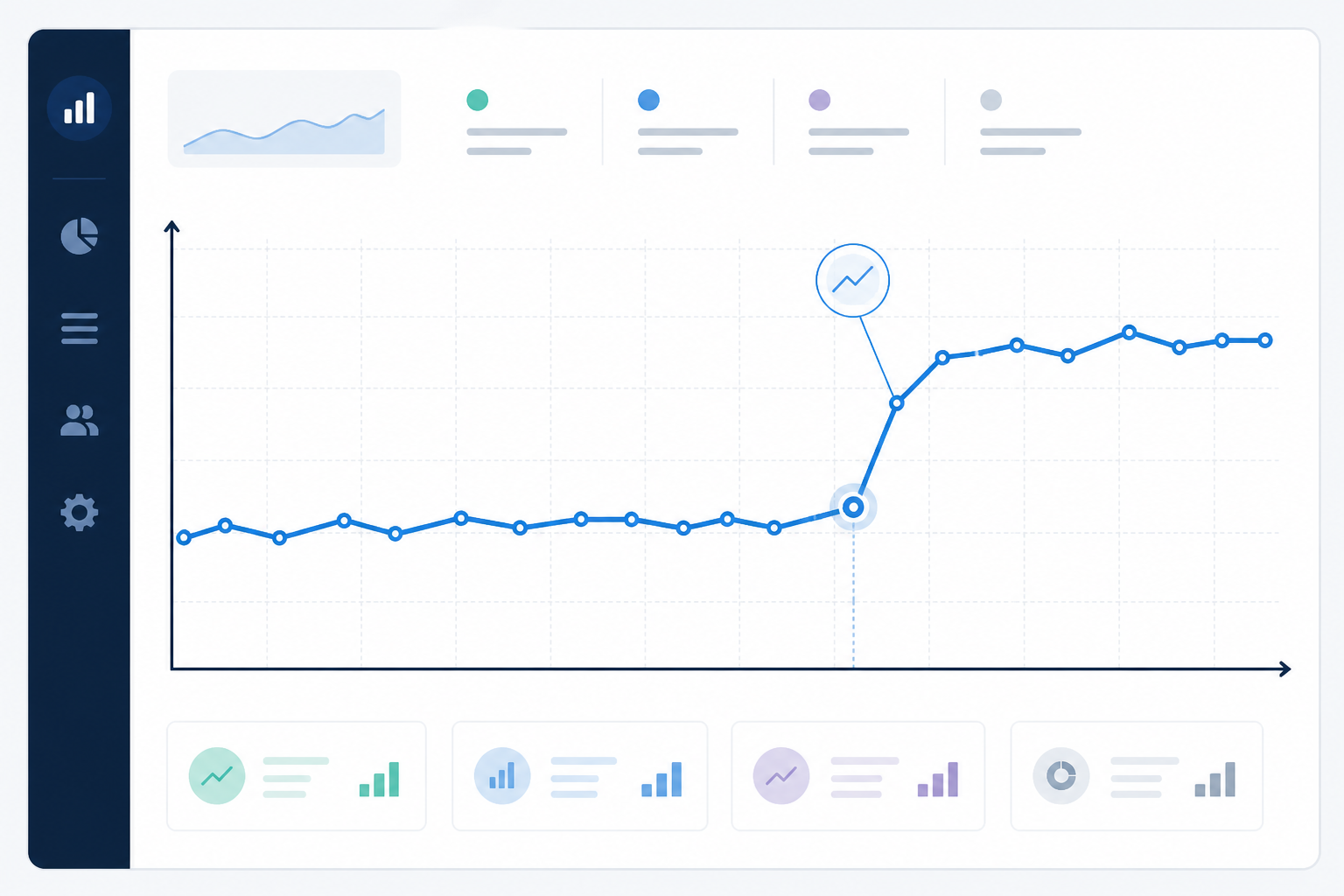
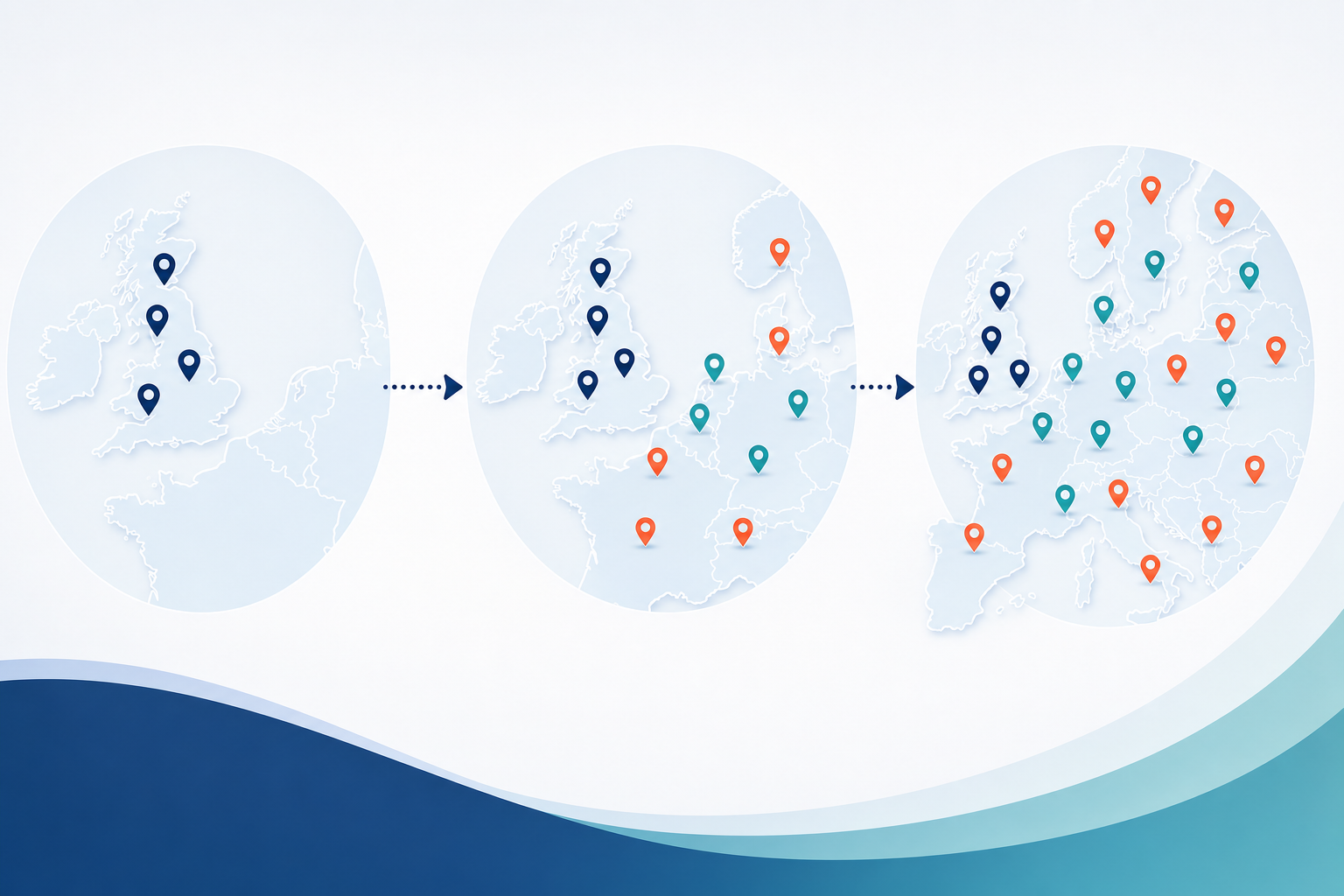
Geographic expansion is one of the sneakier signals because it often hides in plain sight, in the copy itself rather than the platform or volume.
Messaging pivots are the subtlest signal on this list, but they're often the most strategically revealing, because they tell you not just that something changed, but what a competitor thinks their next move needs to be.
This is where AI-generated strategic analysis genuinely earns its keep. It's easy to scroll past a subtle copy change when you're looking at dozens of ads a week. Rival Ads' Claude-powered analysis interprets these shifts the way a senior media buyer would, flagging the pivots you might otherwise miss and putting language to what changed and why it probably matters.
Spotting these competitor ad spend signals is only half the job. The other half is translating them into something your leadership team will actually act on. Here's how I'd approach it:

Yes, and it's one of the more reliable early indicators available. Funding rounds almost always come with a mandate to grow faster, and marketing budgets get deployed quickly once that money lands, often weeks before any official funding announcement. Watch for combined signals: new platforms appearing at once, a jump in creative volume and messaging shifting towards growth-stage language like "scaling teams" or "now available in." Any one signal alone could mean something smaller, but two or three together are a strong indicator worth acting on.
It typically means one of a few things: a product launch, a new funding tranche being deployed, or a push to hit a growth metric ahead of an internal deadline such as a board meeting or the next funding round. Context matters here. Check whether the extra volume is concentrated on one offer (a testing spike) or spread across many variants with similar messaging (a scaling spike). Looking at the ad copy and creative changes alongside the volume jump usually clarifies which scenario you're actually looking at.
Keep it simple and pattern-based rather than screenshot-heavy. Summarise what changed, over what timeframe, and what it likely signals, then give your recommended response. A short weekly note referencing consistent trends across platform expansion, creative velocity and messaging shifts lands far better than a one-off deep dive, because it shows leadership you're tracking this continuously rather than reacting to a single data point.
Competitor ad behaviour is one of the most honest signals available to any marketing team. It's public, it's frequent, and it reflects real budget decisions rather than PR spin. The trick is watching consistently enough to catch the pattern before the announcement, rather than after. Whether you're doing this manually across four platforms or using an ad intelligence platform to catch it automatically, the framework stays the same: watch the platforms, watch the volume, watch the geography and watch the words. Put those together, and you'll usually know what's coming before anyone else does.

Learn the exact framework senior media buyers use to interpret weekly ad diffs—what new, stopped, and scaling ads really mean for competitor strategy.

Learn how to turn scattered competitor ad copy into a structured messaging map that reveals positioning gaps you can own. A practical, spreadsheet-rea

Learn how to read a week-over-week ad diff like a senior media buyer. See a real example breaking down new, paused, and scaling ads—and what each sign