Content Quality Metrics That Drive Measurable Results for Multi-Client Marketing Agencies
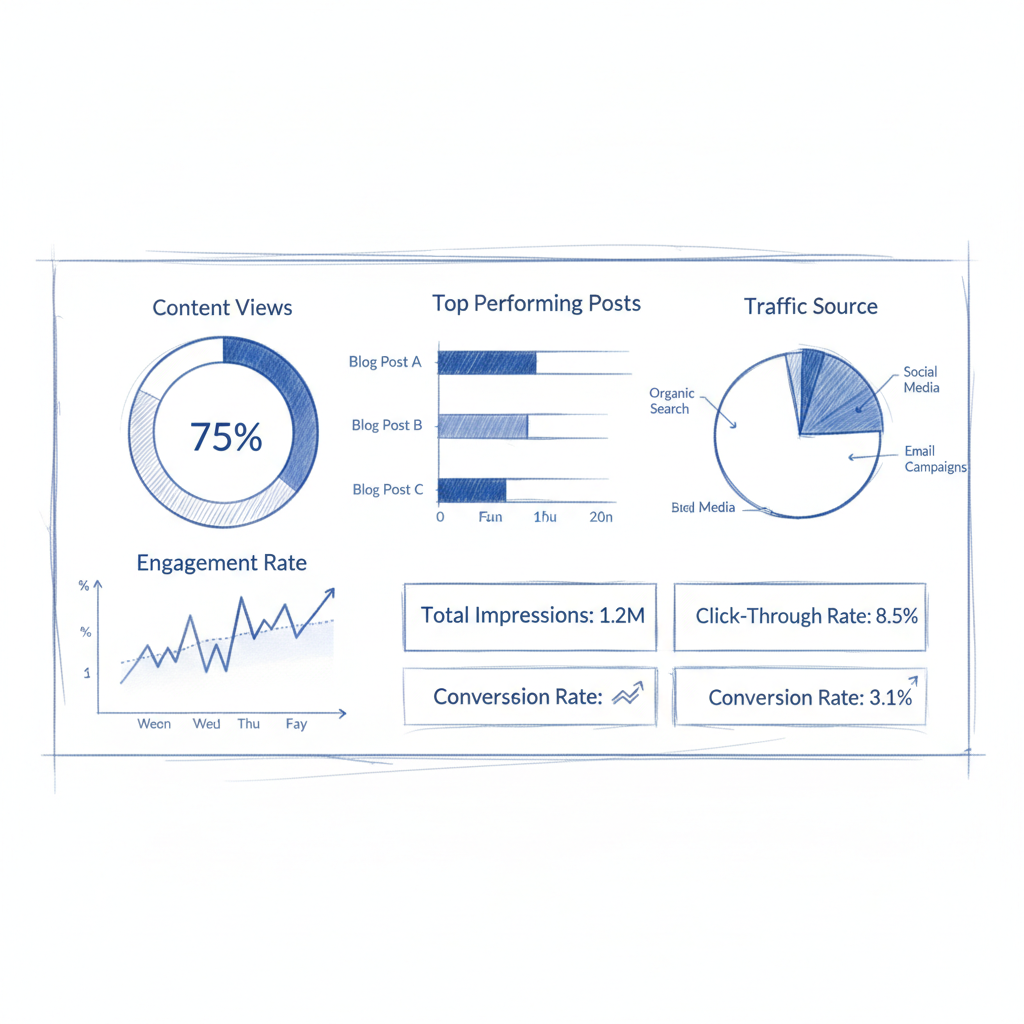
Content Quality Metrics That Drive Measurable Results for Multi-Client Marketing Agencies
Content quality metrics are what separates agencies that prove their worth from those scrambling to justify their existence. Most agencies get trapped in vanity metrics—page views, keyword rankings, publishing schedules. These numbers make nice charts for client calls, but they don't answer the question that matters: "How much revenue did our content generate?"
I've seen too many agencies lose clients because they couldn't connect their content work to business outcomes. The ones that survive and thrive are the ones that track metrics tied directly to the bottom line: engagement quality, conversion paths, and content ROI.
This guide covers the metrics that actually matter—the ones that turn content from a "nice to have" into a revenue engine your clients can't live without.
Why Traditional Content Metrics Fail Agencies and Clients
Most content metrics are theater. They look impressive in reports but tell you nothing about business impact. Agencies have trained clients to celebrate:
- Traffic spikes
- Keyword rankings
- Publication volume
These metrics create a dangerous illusion. You can double traffic and still generate zero revenue.
The True Cost of Vanity Metrics
Last year we inherited a client whose previous agency had been bragging about a 40% traffic increase. The reporting looked great—steady rankings, consistent content output, all the right charts trending upward.
The problem? Almost none of that traffic converted. The previous agency had optimized for informational queries with zero purchase intent. They built a content machine that attracted the wrong audience entirely. Beautiful metrics, zero business value.
4 Content Quality Metrics That Predict Real Success
Demand Metric found that high-quality content generates 3x more leads than traditional marketing while costing 62% less. But here's the catch: you have to measure the right things to get those results.
1. Engagement-Adjusted Traffic
Raw traffic is meaningless. I'd rather have 500 visitors who actually read the content than 5,000 who bounce in 10 seconds.
Track:
- Time on page (aim for 2+ minutes)
- Scroll depth (70%+ indicates real engagement)
- Interaction events (clicks, form fills, downloads)
A blog post with 500 engaged readers beats one with 5,000 drive-by clicks every single time.
2. Content-to-Conversion Attribution
Every piece of content should have a conversion story. Track how individual posts contribute to:
- Lead generation
- Sales pipeline value
- First-touch and assisted conversions
That educational blog post might not generate direct leads, but if it influences 40% of your conversion paths, it's gold.
3. Search Visibility Velocity
Speed matters more than most people realize. Measure how quickly your content:
- Gains rankings
- Outpaces competitors
- Captures search real estate
Websites with blogs have 434% more indexed pages than those without—but only if those pages actually rank.
4. Content Efficiency Ratio
This is where agencies prove their worth. Calculate the relationship between content investment and business outcomes.
Example: A $500 blog post that generates $5,000 in pipeline value has an efficiency ratio of 10:1. That's content that pays for itself and then some.
Building a Scalable Quality Scoring Framework
Managing multiple clients means you need systems, not gut feelings. We built a scoring framework with three components:
- Pre-publication quality checklist (topic research, keyword intent, competitive gap analysis)
- Post-publication performance tracking (first 30 days, 90 days, ongoing)
- Client-specific metric weighting (B2B clients care more about pipeline, B2C cares more about direct conversions)
The framework scales because it's consistent, but flexible enough to adapt to different client goals.
Blog Performance KPIs by Content Type
Different content types need different measurement approaches. Here's what actually works:
| Content Type | Primary KPIs | Success Indicators |
|---|---|---|
| Informational | Engagement time, return visitors | Rankings for target keywords, social shares |
| Commercial | Conversion rate, revenue attribution | Direct sales impact, pipeline contribution |
| Brand Awareness | Share of voice, branded search volume | Audience growth, mention quality |
| Technical | Support ticket reduction, user satisfaction scores | Improved customer experience metrics |
Key Takeaways for Agency Content Strategy
The agencies that thrive in 2024 and beyond are the ones that:
- Ruthlessly eliminate vanity metrics from client reports
- Connect every piece of content to a business outcome
- Use automated tracking to scale measurement across multiple clients
- Speak in business language, not marketing jargon
These metrics let you prove value, retain clients longer, and charge premium rates because you're delivering measurable business growth.
Content marketing isn't about volume anymore. It's about strategic impact you can measure and defend.
Ready to overhaul your measurement approach? Start by auditing your current metrics against these four categories. I guarantee you'll find gaps that, once filled, will transform how your clients see your value.
Related Articles

Content Quality Metrics That Actually Matter for Agencies
Learn content quality metrics agencies use to measure content performance, prove ROI and report results clients value—beyond word count or rankings.

Content Quality Metrics That Actually Matter for Marketers
Discover the content quality metrics that predict long-term success, reveal true engagement and connect blog performance to meaningful ROI.

Create content like this automatically
Scribe uses AI to generate high-quality blog posts that engage your audience and drive traffic.