How to Run a Multi-Brand Shared Inbox: The Complete Setup Playbook
16 min read
Loading...
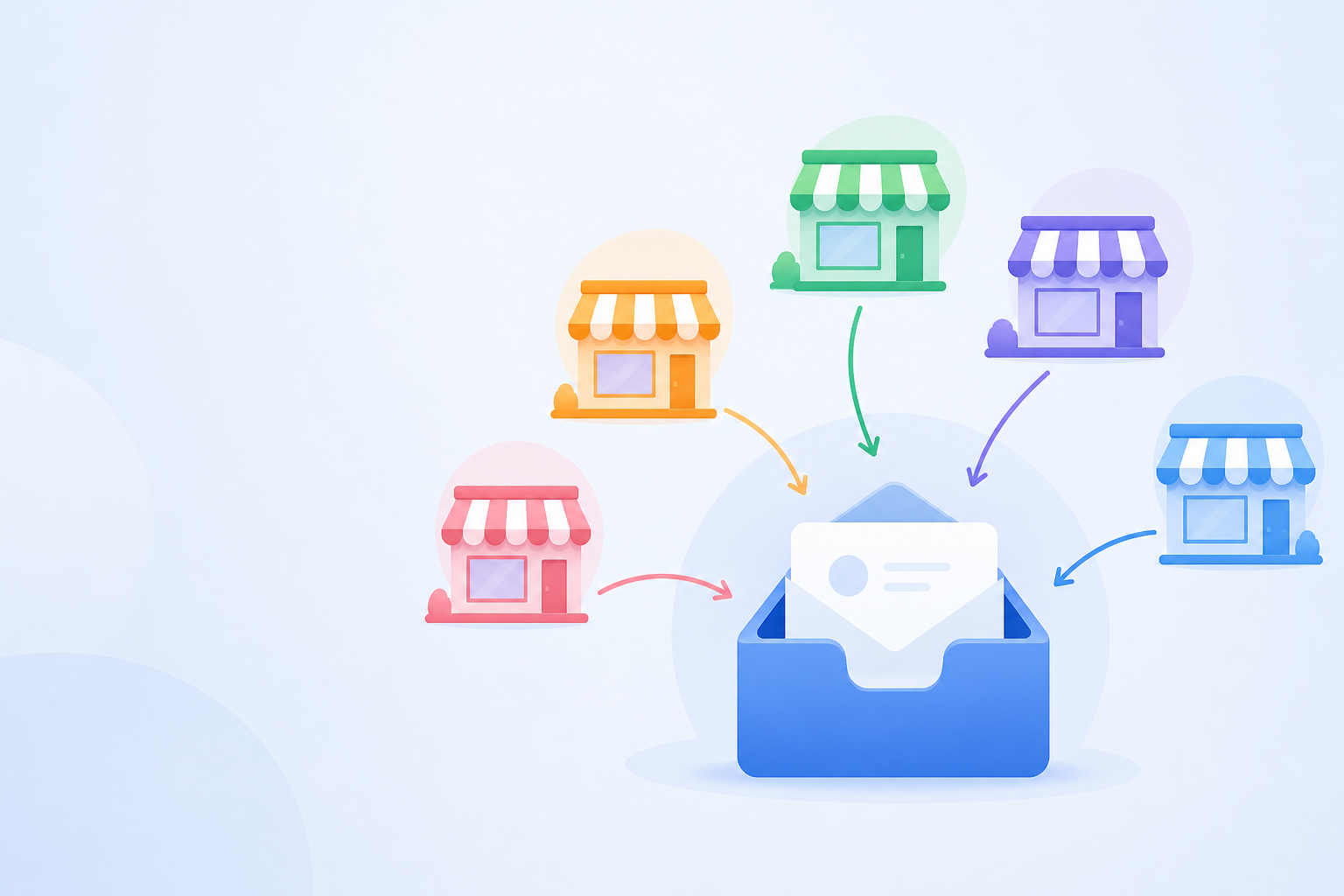
A practical, step-by-step guide to running customer support for multiple online storefronts from one shared inbox, covering email routing, tagging, reporting, and what to check before you go live.
You don't need five different help desks for five different brands. With the right setup, you can map each storefront to its own support email address inside one multi-brand shared inbox, use routing rules to sort and assign conversations by brand, and pull separate reports for each without switching tools. This guide walks through how to approach that setup: the mechanical steps, and the areas where you'll need to check your help desk software's specific capabilities before you commit.
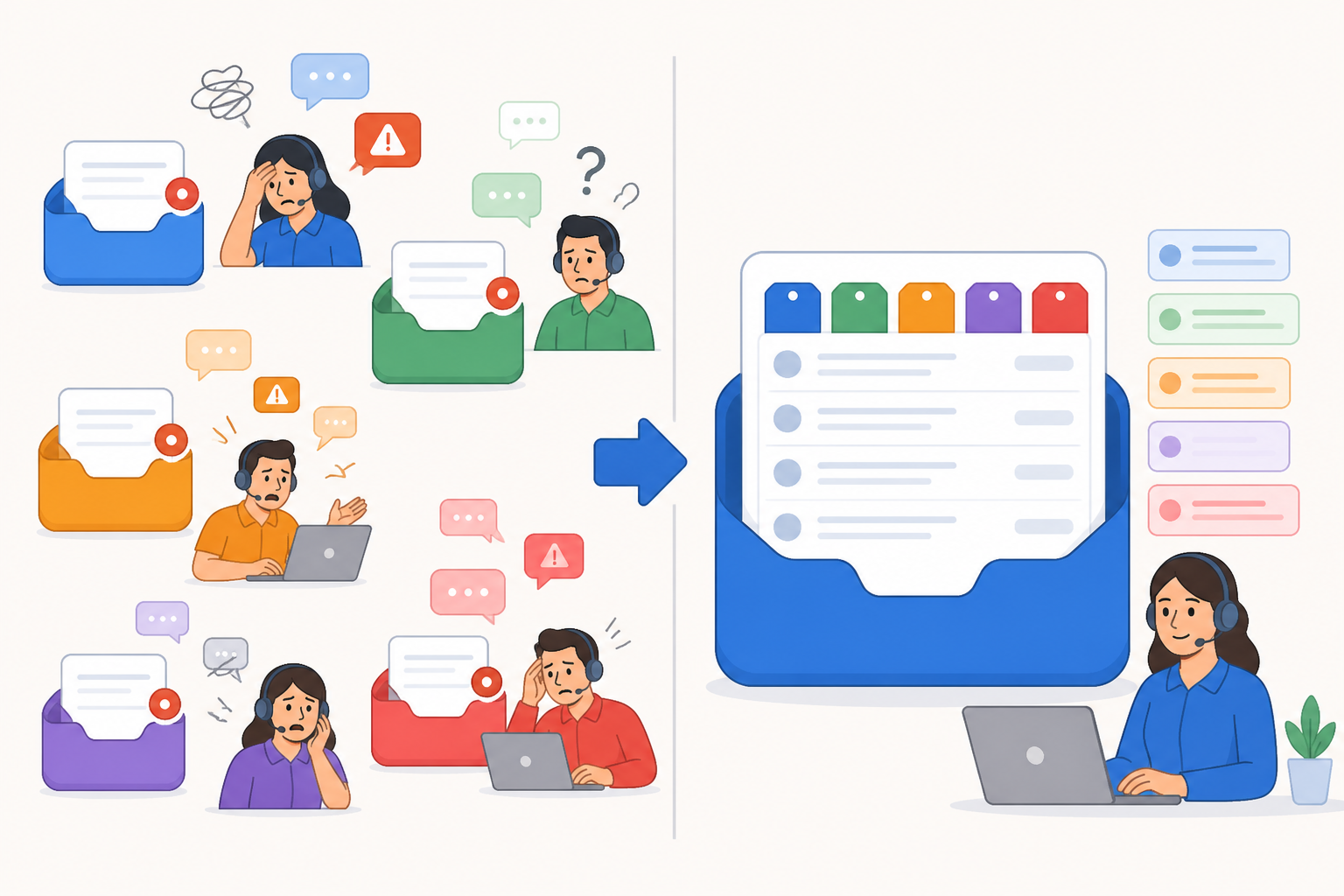
If you're running multiple storefronts, you probably already know the pain. Brand A's support tickets live in one tool, Brand B's live chat sits in another, and someone on your team has become a human router trying to keep everything straight. A shared inbox for e-commerce customer support can bring those conversations into one workflow without removing the separation each brand needs.
A quick note before we get into it: I'll reference Sonny throughout as a working example of how this kind of setup can work, mainly because flat-rate, unlimited-agent pricing removes one of the biggest barriers to consolidating brands into a single inbox. That said, pricing, plan limits, and exact feature names change, and they vary by region. Treat every specific figure here as a starting point to verify against Sonny's current pricing page in GBP, including whether VAT is included, rather than a guaranteed fact for your account.
Here's something that catches a lot of growing teams off guard: tooling costs don't just add up when you run separate help desks per brand, they multiply. Most help desk software charges per seat, per account. So if you've got three brands with five agents each, you could be paying for fifteen separate seats spread across three subscriptions, on top of training time and the headache of never getting one clean view of how support is actually performing.
A multi-brand shared inbox changes that. Instead of five help desks, you run one shared inbox with five brands organised as tagged channels. Your team keeps working from the same tool, using the same conventions and workflows, and simply filters by brand when needed.
This is why flat-rate pricing matters for multi-brand teams. If your plan covers unlimited agents and unlimited conversations for one flat monthly fee (again, confirm this against current pricing), adding a third or fourth brand doesn't automatically mean a bigger bill. That said, it's worth being honest about what does still scale with each new brand: support volume, staffing hours, inbox configuration work, and the time it takes to keep tagging and routing rules tidy. A flat software subscription helps, but a new brand still costs something to support.
To make this concrete, imagine a small team running three online storefronts: Aurora Home, Aurora Kids, and Aurora Outdoors. All three share one customer support inbox. Rather than hiring a dedicated support person the moment a fourth storefront launches, the team could consolidate into one shared inbox, tag conversations by brand, and let routing rules distribute the extra volume across existing agents, at least until ticket volume genuinely exceeds the team's capacity. That's the real trade-off here: consolidation buys you flexibility and lower help desk overhead, not infinite capacity.
Before you touch a single setting, think through how each brand should live inside the inbox. Get this part right, and everything downstream (routing, reporting, scaling) gets a lot easier.
Using our Aurora example, the mapping might look like this:
| Brand | Support email | Live chat source | Brand tag |
|---|---|---|---|
| Aurora Home | support@aurorahome.co.uk | aurorahome.co.uk widget | brand:home |
| Aurora Kids | support@aurorakids.co.uk | aurorakids.co.uk widget | brand:kids |
| Aurora Outdoors | support@auroraoutdoors.co.uk | auroraoutdoors.co.uk widget | brand:outdoors |
A few principles to work from:
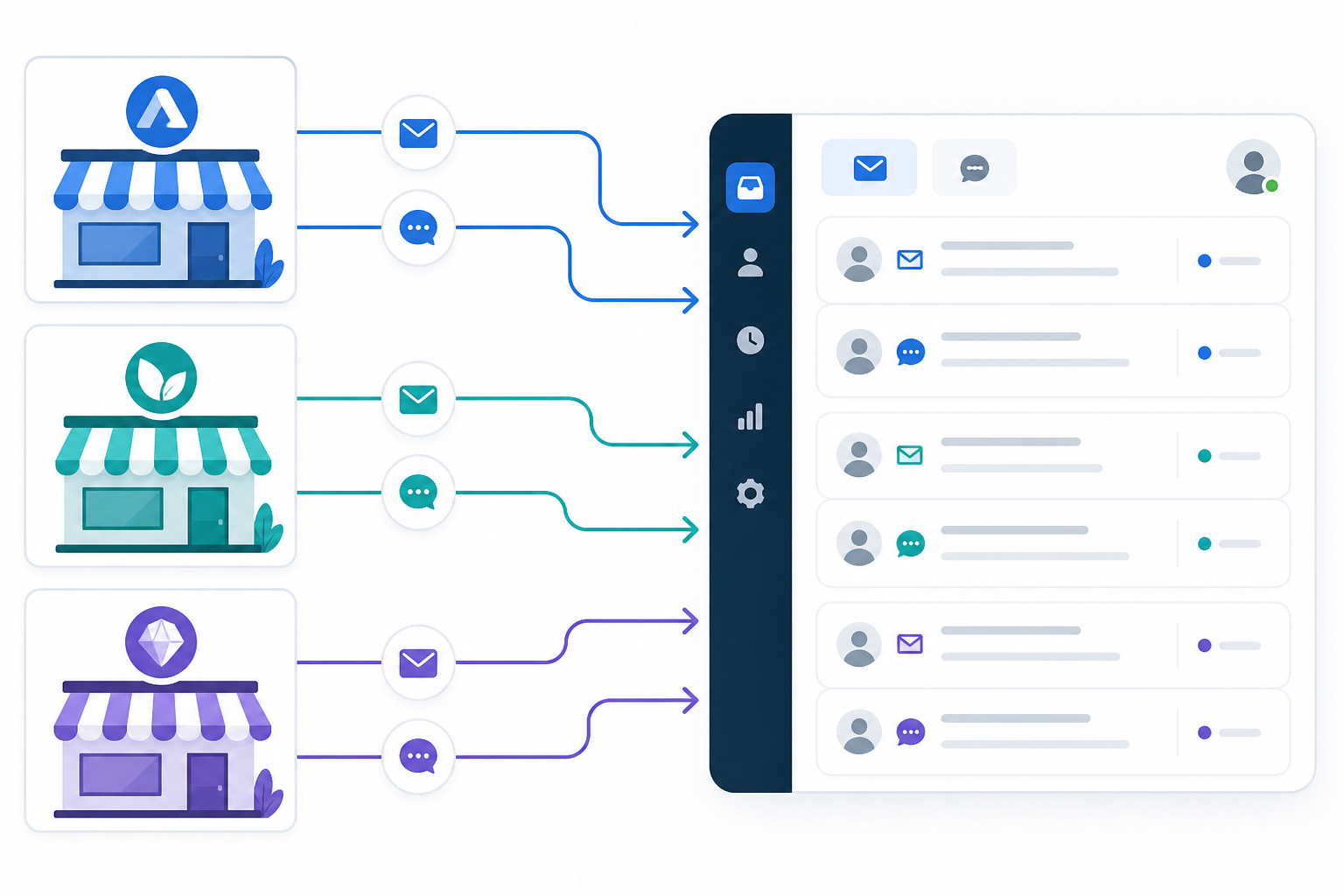
Once you've mapped your structure, it's time to build it. This part is more mechanical than strategic, but getting the details right prevents headaches later. A few of these steps are easy to skip by accident.
Once these steps are done for each brand, you've built your intake system. Routing, reporting, and future expansion can build on top of it.
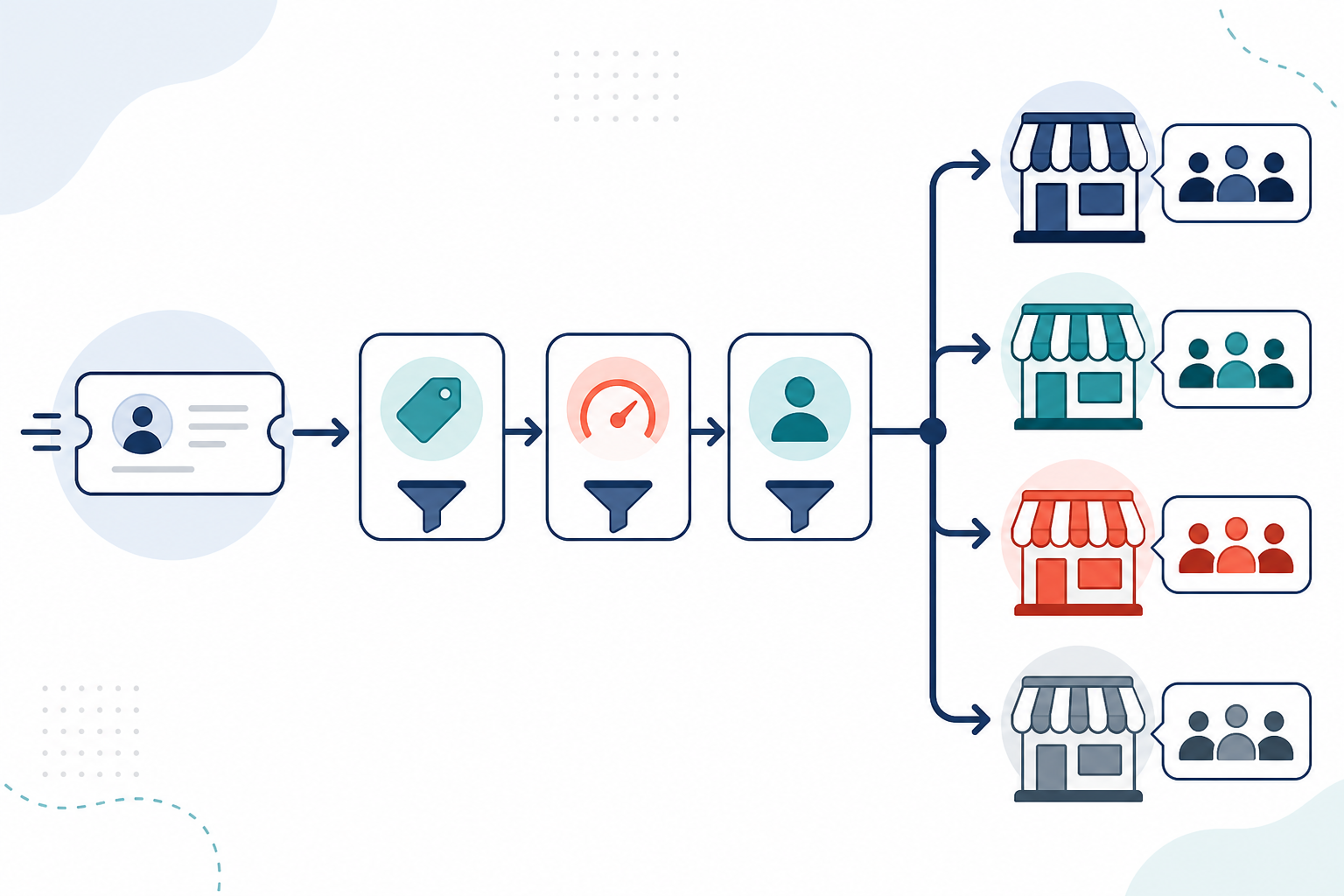
Routing is the part that actually saves your customer support team time every day. This is where a multi-brand shared inbox stops feeling like a filing system and starts feeling like an operational tool, provided the rules have a clear order of precedence.
Here's a sensible routing hierarchy for the Aurora example:
A few additional practices are worth building into your routing workflow:
A lot of teams get stuck with traditional help desk software because they can see overall metrics but not brand-specific performance. That's a real problem when you're trying to work out which storefront actually needs more support attention.
Because every conversation is tagged by brand when it arrives, you can filter reports the same way, assuming your specific plan includes tag-based report filtering and export. Confirm that before you rely on it. Below is an illustrative example of what a brand-level reporting view might show, not real performance data:
| Metric (illustrative) | Aurora Home | Aurora Kids | Aurora Outdoors |
|---|---|---|---|
| Average first response time | 2h 15m | 4h 40m | 1h 50m |
| Resolution rate | 94% | 87% | 96% |
| Ticket volume (monthly) | 320 | 510 | 180 |
| Reopen rate | 3% | 9% | 2% |
A table like this tells a story fast once you know what each metric actually measures. Response time here means first reply, not full resolution. Reopen rate tracks tickets marked resolved that came back within a defined period. Define these clearly in your own reporting so the numbers are actually comparable across brands.
In this example, Aurora Kids generates the most volume but has the slowest response time and the highest reopen rate. That's the kind of pattern that might genuinely justify dedicated coverage rather than shared agent time. Aurora Outdoors, on the other hand, looks lean enough to keep sharing agents with the other two brands.
A couple of practical reporting tips:
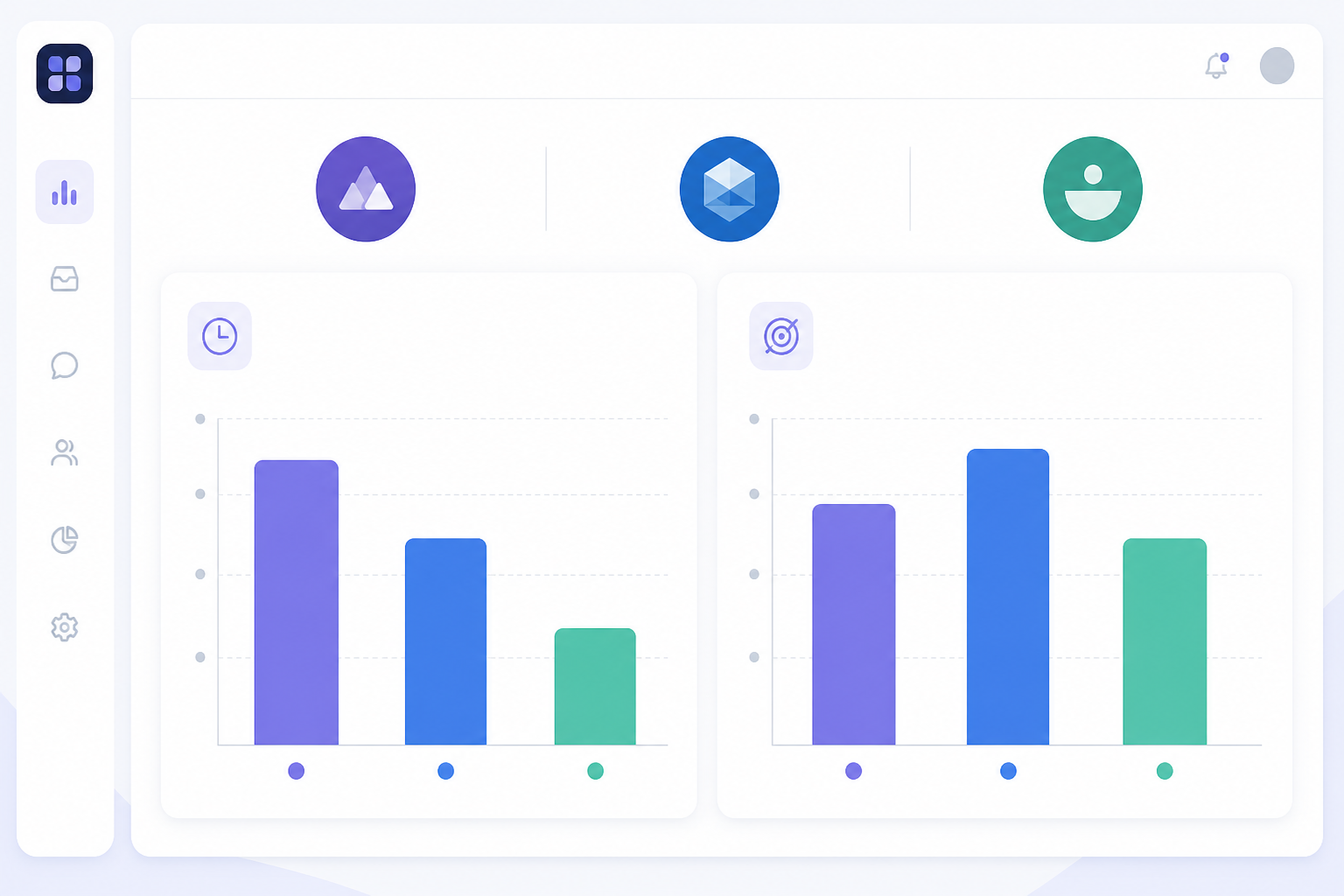
Once your first two or three brands are configured, adding another is comparatively straightforward, although it's worth being honest about what "straightforward" actually means here.
Here's the honest version: the software cost of adding a brand can stay low or flat. The operational cost, extra volume, configuration work, and quality assurance for tagging accuracy, doesn't go away just because the tool scales well. Plan for both.
Before you send customer traffic to your new setup, run through this checklist:
If you can tick these off, you're in good shape. I'd still recommend running one brand live for a week before migrating the rest. It's much easier to catch a misconfigured rule when there's only one brand's traffic to look at.
Give each storefront its own support email address, configure SPF, DKIM, and DMARC for each domain, and forward those addresses into your shared inbox using email-to-ticket forwarding. Apply an automatic brand tag to each incoming address, after checking that your plan supports rule-based tagging, so every conversation is labelled by storefront the moment it arrives. Routing rules and reporting filters can then use that brand tag.
In tools that support tag-based filtering, yes. As long as conversations are tagged by brand at intake, you can filter metrics like first response time, resolution rate, and ticket volume by that tag. Just confirm your plan actually includes this level of reporting granularity and export, since it can vary between entry-level and higher-tier plans.
Add a new forwarding email address with proper domain authentication, duplicate your existing routing rule template, and use a new brand tag. On genuinely flat-rate plans with unlimited agents, this often doesn't increase your software subscription cost. Still, budget time for configuration and quality assurance, and check your provider's current pricing in GBP rather than assuming it hasn't changed.
Routing rules typically identify the brand from the source, the email address or chat domain, first. They then apply other filters, like urgency, customer type, or language. Build a fallback queue for conversations that arrive without a clear brand tag rather than letting a rule guess and risk sending a ticket to the wrong brand's team.
This is exactly where a fallback queue earns its keep. Instead of letting an untagged or mistagged ticket default into one brand's workflow, route it somewhere a person can actually review it. Check this queue at least weekly, and more often in the weeks right after you add a new brand.
If you're handling UK or EU customer data, check that your help desk software's data processing terms actually cover multi-brand use. Also confirm that access controls stop agents from one brand seeing customer data for another brand, where that separation matters to your business.
Running support for multiple brands doesn't have to mean multiplying your tools or your costs. It does, though, mean real setup work. Most of that effort goes into authentication, tagging accuracy, rule precedence, and reporting definitions, not just picking a help desk provider and hoping for the best.
Start with one brand fully configured and tested. Migrate a second once you trust the fallback queue, then let the third brand and everything after it ride on the same repeatable process. 🙌

Per-agent pricing quietly discourages hiring and hurts customer experience as you scale. See real cost comparisons and learn what to look for instead.

Compare native and browser-based live chat widget tools for answering customers from your iPhone, Android, or Mac while you’re on the go.
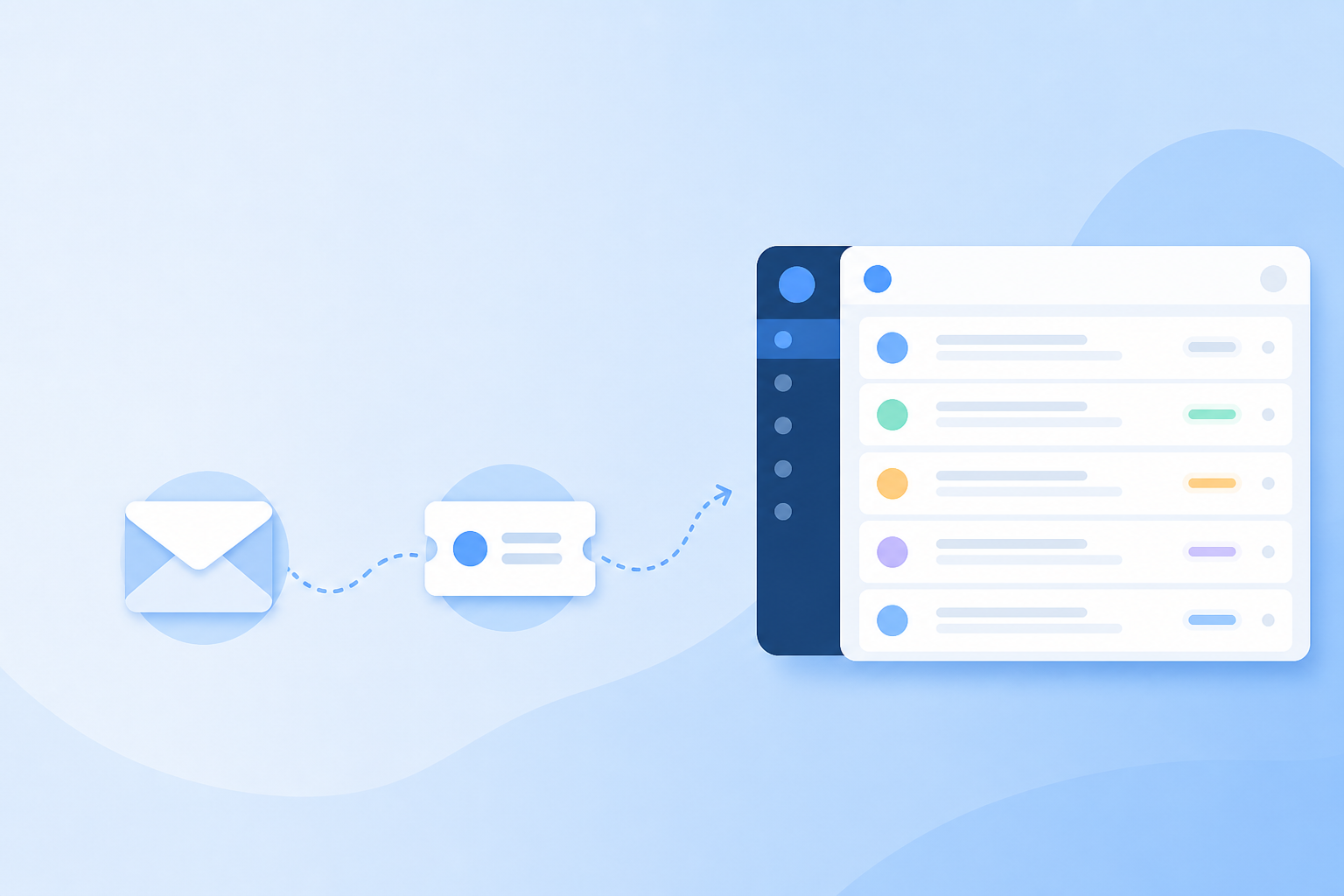
Learn email-to-ticket forwarding for UK teams: move from a shared Gmail or Outlook inbox to help desk software and automate email ticketing.